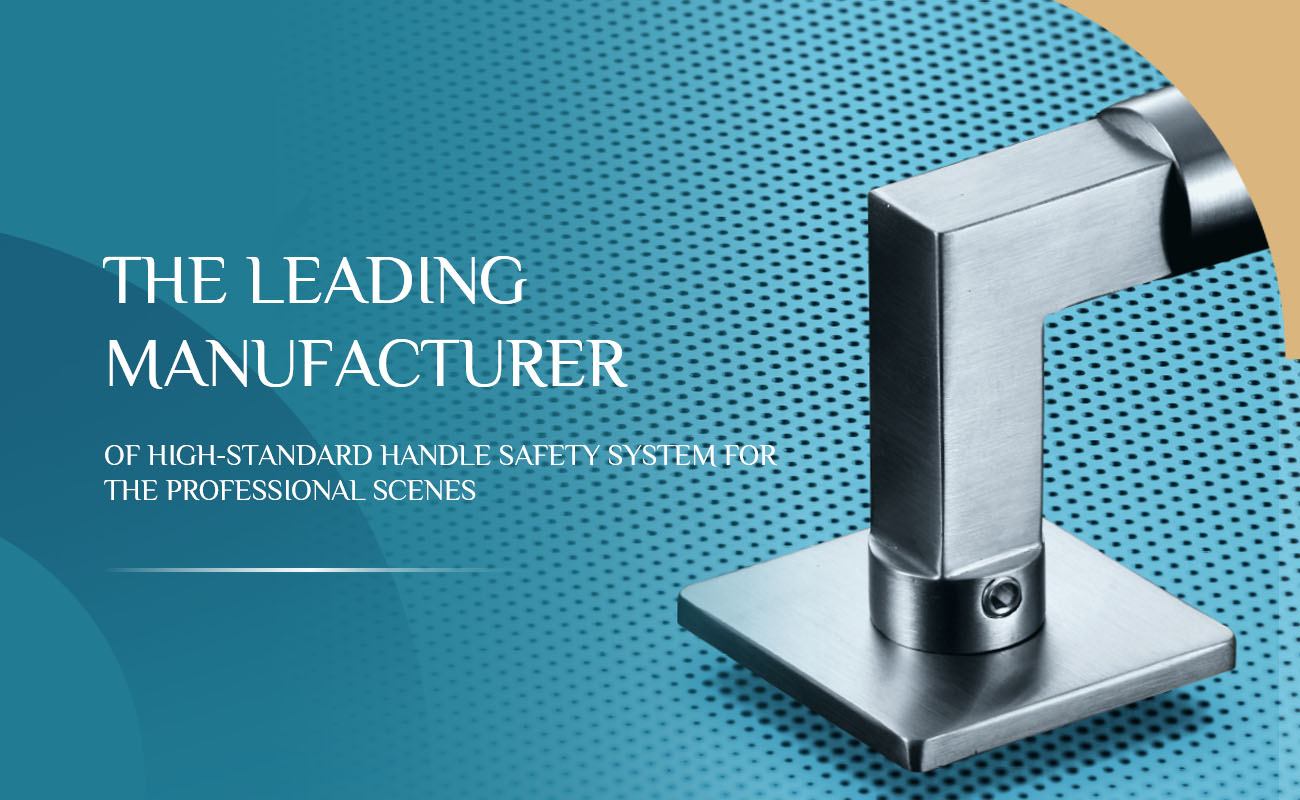
As global demand for modern architectural hardware grows across hospitality, commercial buildings, education facilities, healthcare environments, and residential construction, lever-style door handles have become one of the most widely used door-control mechanisms. Their popularity is driven by accessibility requirements, ergonomic design, safety regulations, and ease of operation compared with traditional knob handles.
Because many overseas contractors, builders, and procurement teams want hardware that is durable, compliant, and easy to maintain, understanding how lever door handles work helps buyers evaluate product quality and choose reliable suppliers for long-term cooperation.
Why Lever Door Handles Became the Standard in Modern Construction
Lever Handles are preferred in international construction markets due to:
Compliance with accessibility standards that require doors to be operable with minimal force.
User-friendly design suitable for elderly, children, and high-traffic commercial environments.
Mechanical simplicity that supports long-term durability and easy maintenance.
Compatibility with a wide range of locksets, fire-rated doors, and commercial hardware systems.
For commercial spaces such as offices, malls, hotels, airports, hospitals and public buildings, lever handles have become the default hardware choice.
The Core Mechanical Structure: How Lever Handles Actually Work
Lever handles operate through a simple mechanical relationship between the external handle and the internal latch set. Although designs vary, the working principle is consistent across most commercial-grade lever systems.
1. The Lever Generates Mechanical Force
When the user presses the lever downward (or lifts it in certain designs), mechanical force is transmitted through the spindle—a square metal bar that runs from the exterior lever through the door to the interior lever. This spindle connects both sides so they rotate together.
2. The Spindle Engages the Latch Mechanism
The spindle passes through the latch case. Inside the latch mechanism is a retractor or cam system that converts rotational force into linear motion. As the lever moves, the spindle rotates, activating the retractor.
3. The Latch Retracts to Release the Door
When the retractor moves, it pulls the latch bolt inward. This retracts the beveled edge away from the door frame, allowing the door to open. Once the user releases the lever, a spring returns both the lever and latch bolt to their original position.
4. Integrated Locking Functions
Commercial lever handles are often paired with:
In these systems, the locking cylinder or thumb-turn adds a separate control layer, restricting the spindle movement or preventing the latch from retracting unless authorized.
5. Return-to-Position Spring Mechanism
High-quality lever handles include heavy-duty spring mechanisms that ensure the lever returns smoothly to the horizontal position after use. This prevents sagging, ensures consistent alignment, and supports durability in high-traffic environments.
What This Means for Commercial Procurement and Project Specifications
Understanding how lever handles work enables procurement teams and contractors to evaluate product suitability more accurately:
Durability Expectations
The quality of the internal spring, latch mechanism, and spindle determines how long a lever will function smoothly under constant use.
Compliance Requirements
Many jurisdictions require lever handles for ADA, accessibility, or health-care building standards. Knowing the mechanical structure helps ensure compliance.
Maintenance Planning
Lever mechanisms are easier to maintain and repair than complex knob or specialty hardware systems.
Security Level
The internal lockset design—cylindrical or mortise—determines the level of security required for the project.
Compatibility With Fire-Rated Doors
Commercial lever handles combined with certified fire-rated lock bodies ensure safety compliance.
These considerations are essential for international clients sourcing hardware for long-term commercial use.
Industry Trend: Lever Handles Are Evolving With Modern Construction Needs
Today’s construction and building hardware industries demand:
heavy-duty lever handles suitable for high-traffic areas
Corrosion-resistant stainless steel lever designs
Modern aesthetic profiles for hotels and office interiors
Lever systems compatible with digital locks and access control
Anti-bacterial or easy-clean finishes for healthcare applications
Enhanced mechanical endurance for long-life performance
Manufacturers capable of providing both aesthetic and structural performance will gain stronger competitiveness in overseas markets.
A Growing Opportunity for Cooperation
As commercial construction expands across Europe, North America, the Middle East and Southeast Asia, demand for high-quality lever handles continues to rise. Buyers increasingly seek suppliers who offer:
Consistent mechanical quality
Customizable finishes
Performance-tested latch mechanisms
Fire-rated or code-compliant hardware
OEM/ODM capability
Competitive export pricing
Stable packaging and reliable logistics support
Companies that can provide complete lever-handle solutions—from mechanical components to surface finishing—are well-positioned for long-term B2B partnerships.
If your company can supply commercial-grade lever handles, lock bodies or door-hardware systems, this market segment presents significant growth potential and strong international demand.