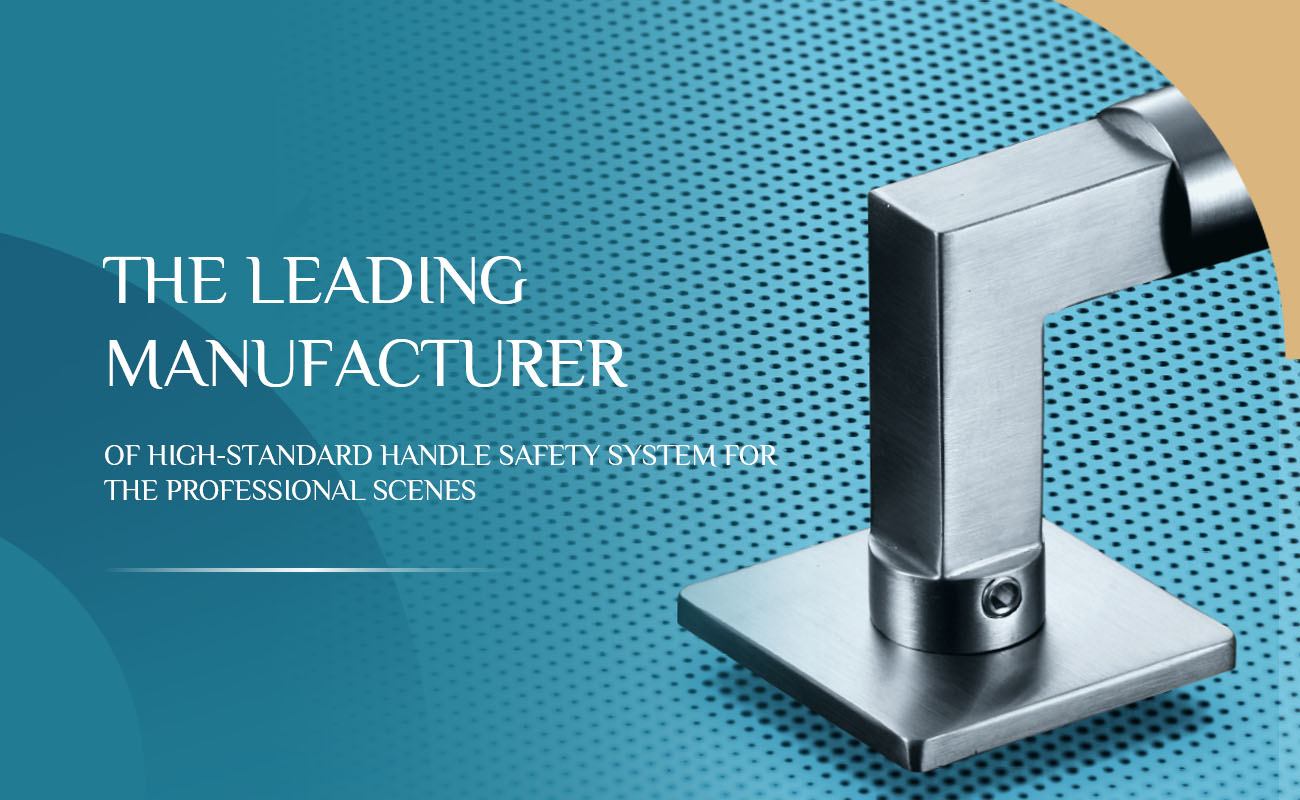
As global building standards continue to evolve toward accessibility, safety, and user-friendly architectural hardware, the question “Are Lever Handles required in commercial spaces?” has become an active topic among contractors, architects, builders, and international procurement teams. Lever door handles are no longer viewed merely as design choices. In many regions, they are becoming regulatory expectations — even de-facto requirements — driven by accessibility laws and modern building codes.
This makes lever handles a strategic product category for hardware manufacturers and global distributors who want to supply compliant, future-proof solutions for commercial environments.
Why Lever Handles Are Increasingly Preferred in Commercial Buildings
Across offices, hotels, schools, hospitals, retail centers, and industrial facilities, lever handles are quickly replacing traditional knobs. This shift is driven by three key industry trends:
1. Accessibility Requirements
Many countries enforce accessibility standards that require door hardware to be operable
Lever handles meet these criteria, while round knobs often do not. As a result, many commercial projects specify lever handles by default to ensure compliance with accessibility laws.
2. Hygiene and Contact Efficiency
Lever handles allow users to open doors using their elbow or arm — a convenience that became extremely relevant during global health awareness periods. Industries such as healthcare, pharmaceutical, and public facilities prioritize lever handles for their ease of operation and reduced direct contact.
3. Modern Safety Standards
Lever handles provide
Fast egress during emergencies,
Intuitive operation for high-traffic areas,
Better grip for children, elderly individuals, and people with disabilities.
Commercial fire doors, exit doors, and internal office access points frequently include lever hardware for safety and usability reasons.
Are Lever Handles Legally Required?
A Global Trend Toward Mandatory Compliance
While requirements vary by country, the global direction is consistent:
Commercial buildings are increasingly expected — and in many regions required — to use lever-style hardware.
Industry frameworks that influence this include:
Accessibility and disability legislation
Commercial building codes
Fire-safety and egress standards
Workplace safety regulations
Public facility operational guidelines
In many territories, compliance is not optional for new constructions or major renovations. Lever handles help projects meet these legal standards with minimal design complexity, making them the preferred specification worldwide.
What This Means for Architects, Contractors, and Overseas Buyers
Commercial clients are now evaluating door hardware suppliers based on:
Whether their lever handles meet commercial-grade durability
Whether products satisfy accessibility rules
Fire-door compatibility
Security, anti-tamper, and privacy requirements
Availability of left/right-handed variants and universal designs
Scalability for large building projects
Replacement-cycle stability and long-term stock availability
Buyers no longer want only standalone hardware — they increasingly demand complete, compliant door-hardware solutions.
Why This Trend Creates Opportunities for Hardware Manufacturers & Exporters
The global shift toward lever handles in commercial spaces represents strong, sustainable demand for:
Heavy-duty commercial lever sets
Fire-rated lever hardware
ADA-compliant or accessibility-compliant handles
Stainless steel, zinc alloy, or commercial-grade materials
Lever handles with cylinder locking options
Dummy, passage, privacy, and entrance-function lever sets
Custom finishes (brushed nickel, matte black, stainless steel, brass, etc.)
Manufacturers that can supply certified, durable, and code-compliant lever handles are well-positioned to win large-volume commercial projects.
Cooperation Outlook: What Global Buyers Seek From Reliable Suppliers
Overseas clients evaluating lever-handle suppliers typically expect:
Consistent commercial-grade quality
Certification or testing reports
OEM/ODM customization
Long-term availability for project continuity
Competitive pricing for bulk orders
Ability to supply complete hardware sets (locks, Hinges, door closers)
International logistics capability and secure packaging
A supplier that can address these needs becomes a preferred long-term partner for commercial contractors, builders, and wholesalers.
Conclusion
Lever handles are not just a trend — they are becoming a standard for commercial buildings worldwide. Driven by accessibility laws, safety expectations, and modern operational requirements, lever handles offer ease of use, reliability, and compliance for virtually every type of public or commercial environment.
For suppliers and manufacturers, this creates a strong and growing market. For buyers and project planners, selecting a reliable hardware partner ensures compliance, durability, and smooth installation in commercial spaces.