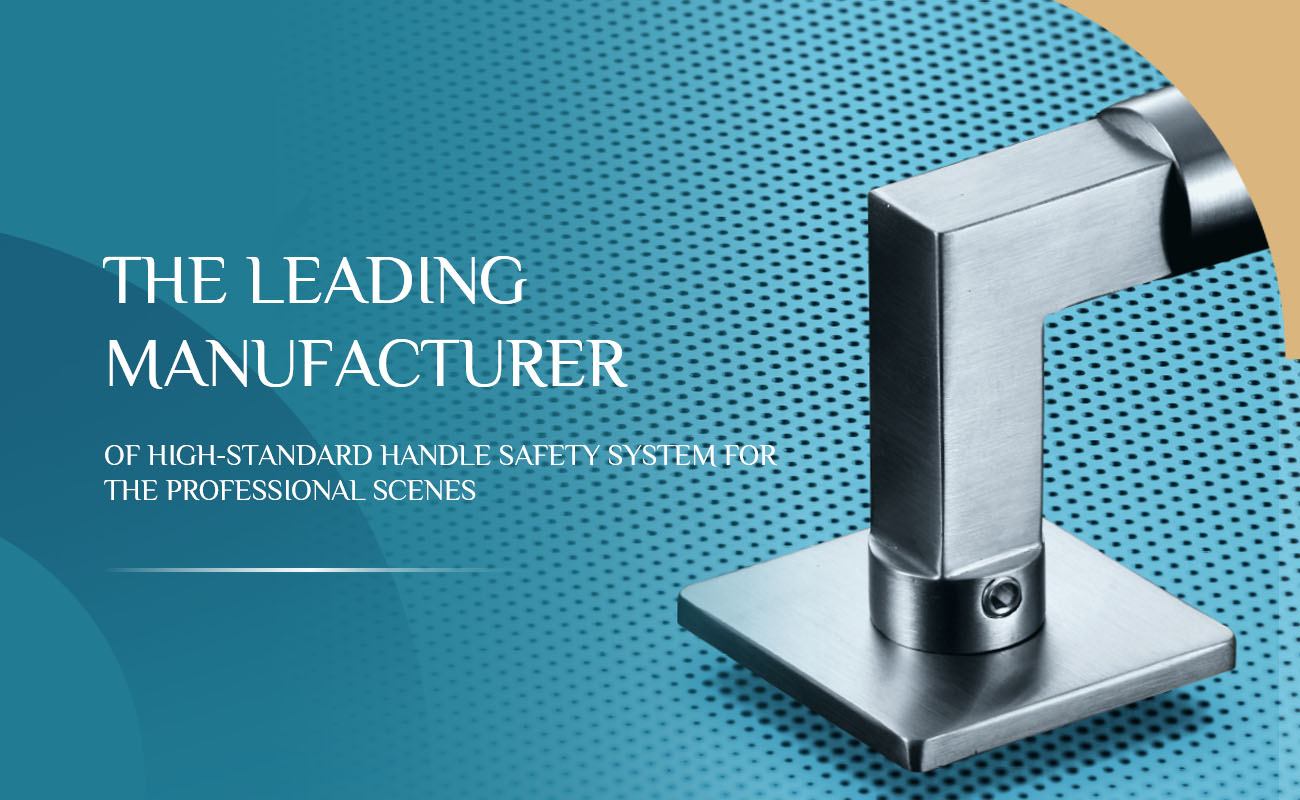
As accessibility, safety, and ergonomic door hardware become more important in commercial buildings, healthcare facilities, hospitality spaces, and residential environments, one category of hardware is gaining remarkable attention worldwide: the lever door handle extender.
This once-niche product is now becoming widely discussed among contractors, facility managers, architects, and hardware distributors because it solves several practical problems: accessibility standard upgrades, user-friendly operation, and compliance support for aging populations or individuals with reduced grip strength. For overseas buyers, understanding this product category is increasingly important when sourcing door hardware or assembling complete door systems.
What Exactly Is a Lever Door Handle Extender
A lever door handle extender is an add-on device installed over an existing lever handle to increase its length, improve leverage, and make door operation easier. Instead of replacing the entire door handle or lockset, an extender provides an external extension arm that securely attaches to the lever.
Its primary functions include:
Increasing the effective handle length
Reducing the force required to operate the latch
Improving grip and accessibility
Allowing easier operation for seniors, children, or users with limited hand mobility
Providing a cost-effective alternative to a full hardware replacement
These extenders are typically made from durable plastic, metal, or reinforced polymer materials and can be installed without modifying the existing hardware.
Why Lever Handle Extenders Are Becoming Popular In Global Markets
Several international building trends are driving increased demand:
1. Accessibility Requirements Are Increasing Globally
Many regions encourage or require accessible door hardware in public areas, workplaces, hotels, and healthcare environments. Extenders offer a simple way to meet accessibility standards without replacing entire door handles.
2. Aging Population And Assisted Living Growth
Countries in Europe, North America, and Asia Pacific have rapidly aging populations. Lever handle extenders help seniors or individuals with arthritis operate doors more easily, boosting demand across home care and assisted-living facilities.
3. Retrofits And Renovation Projects
Large facilities often need to upgrade usability but may not want to remove existing locks. Extenders are ideal for renovation environments where minimizing downtime matters.
4. Child-Friendly Or Care-Facility Use Cases
Certain models are designed to prevent unauthorized opening in childcare or pediatric facilities, making the product relevant to safety-focused sectors.
These market needs position lever handle extenders as an attractive product category for hardware distributors, construction suppliers, and OEM/ODM manufacturers.
How Lever Door Handle Extenders Work
A typical extender uses a secure clamp or sleeve mechanism that attaches directly over the existing lever. The extender then increases the handle length or changes the angle, enabling users to apply less force when pushing down the lever.
Key functional details include:
Clamp mechanism: Tightens to the original lever without damaging the finish
Extended arm: Adds length for improved leverage
Non-slip texture: Ensures stable grip
Low-force operation: Reduces required torque to open the door
Optional locking cover: Certain versions also restrict access
While simple in structure, the correct engineering ensures compatibility with different lever designs.
What Overseas Buyers Should Look For When Sourcing Lever Handle Extenders
When procurement teams evaluate suppliers, several technical and quality considerations matter:
Compatibility with standard lever handle shapes
Durability and ability to withstand repeated use
Non-slip ergonomic design
Tool-free or simple installation
Material safety and fire-rating requirements in certain markets
Availability of OEM/ODM customization
Packaging designed for retail or project-based distribution
Compliance with regional accessibility expectations
Suppliers that can offer multiple sizes, color options, and branding customization tend to have higher competitiveness in the international market.
Why This Category Presents a Cooperation Opportunity for Hardware Manufacturers
For global hardware buyers, contractors, and distributors, interest in lever handle extenders represents an expanding niche. For manufacturers, this creates strong partnership potential:
Extenders can be sold as add-ons to door handle systems
They help strengthen a supplier’s position in the accessibility / safety hardware categories
They create additional sales opportunities for renovation and retrofit markets
They align well with government building-standard updates
They allow manufacturers to offer a more complete door-hardware ecosystem
Providing lever handle extenders also increases repeat business in sectors such as hospitality, healthcare, residential development, and commercial retrofits.
Conclusion
A lever door handle extender is more than a simple accessory. It is a solution that improves accessibility, enhances convenience, and supports global building trends in ergonomics and safety. As building owners and project managers across the world look for cost-effective ways to upgrade door usability, demand for these extenders continues to grow.
For hardware suppliers, distributors, and manufacturers, this product represents a valuable opportunity to expand into a growing market category and build long-term partnerships with businesses seeking reliable, customizable, and professional door-hardware solutions.