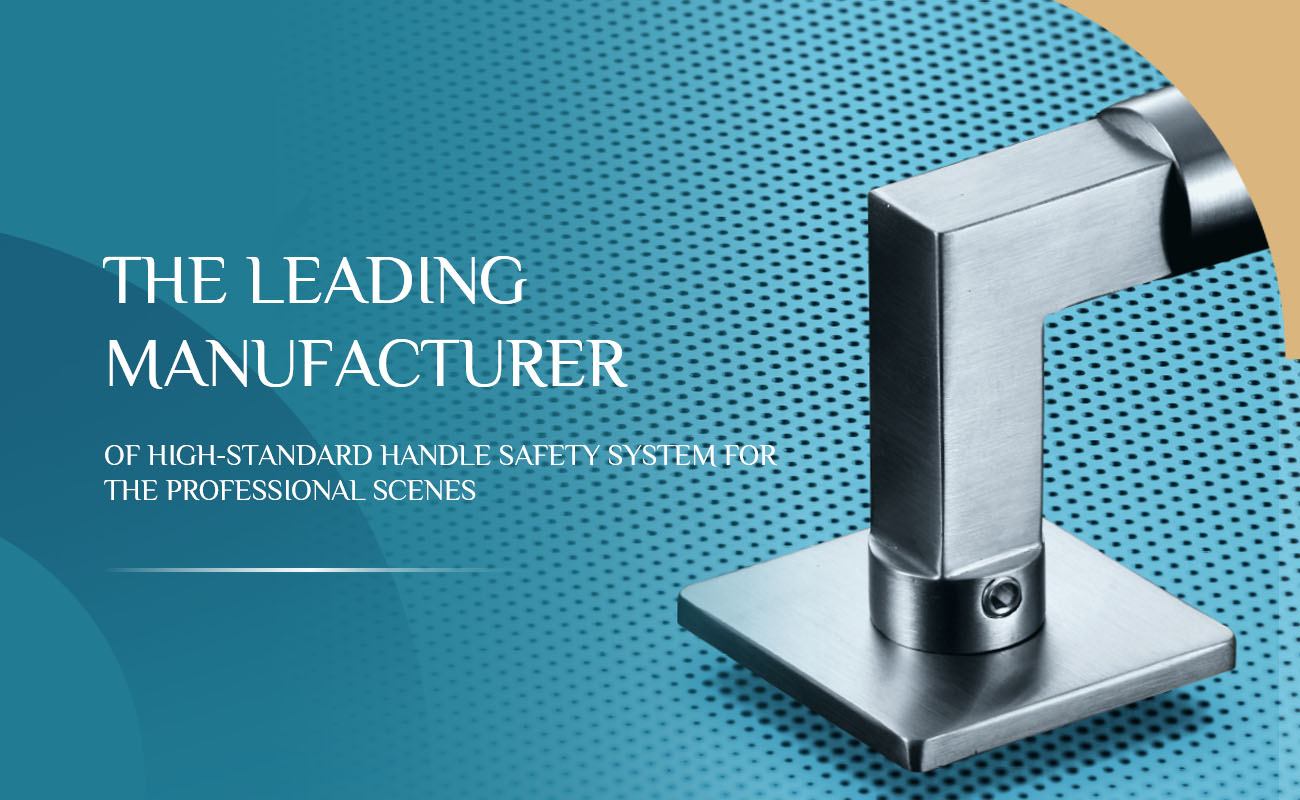
In recent years, lever door handles have become increasingly common in commercial buildings around the world. The shift is not only driven by design preference, but also by regulatory requirements, accessibility standards, ergonomic advantages, and safety considerations. As global construction, interior renovation, and hardware procurement continue to expand, many overseas buyers are now asking the same question: Are Lever Handles required in commercial spaces?
The short answer: In many regions, yes — or strongly recommended. Regulations and accessibility codes in countries such as the United States, Canada, the United Kingdom, Australia, and the EU emphasize the need for hardware that enables easy, barrier-free entry. Lever handles have become the default solution because they meet accessibility laws and reduce operational risks in public and commercial environments.
This trend is shaping procurement decisions for office buildings, hotels, hospitals, retail centers, industrial facilities, and public institutions — creating opportunities for professional hardware suppliers to support compliance-driven projects.
Why Lever Handles Are Becoming a Standard in Commercial Buildings
1. Accessibility Codes Require “No Tight Grasping or Twisting”
Modern building codes and accessibility laws increasingly require door hardware that can be operated with minimal strength. Lever handles can be pressed down with an elbow, wrist, or even with limited hand mobility, making them suitable for people with disabilities, seniors, or those carrying objects.
This makes lever handles far more compliant than traditional knobs, which require gripping and wrist rotation.
2. Universal Design Standards Favor Lever Operation
Commercial environments must accommodate a wide range of users, including employees, customers, visitors, and service personnel. Lever handles support “universal design” principles by offering easy operation for:
Children
Elderly individuals
People with limited hand strength
Workers carrying boxes, luggage, or equipment
As universal design becomes a global standard, lever handles continue to gain market demand.
3. Safety Requirements in High-Traffic Spaces
Commercial facilities aim to minimize risks associated with:
Lever handles allow rapid, intuitive operation, improving building safety and meeting insurance and facility management requirements.
4. Hygiene and Touch-Reduction Trends
Since global attention to hygiene increased, lever handles are preferred because they can be opened using the forearm — reducing contact points in hospitals, restaurants, office corridors, and public buildings.
Many suppliers now offer stainless steel, antimicrobial finishes, and easy-clean lever sets aimed at hygiene-sensitive environments.
5. Modern Architectural Preferences
Architects and interior designers favor lever handles for:
Contemporary aesthetics
Wide compatibility with commercial door types
Integration with smart locks and access control systems
Scalability across large projects
This has further standardized lever handles in commercial construction.
When Lever Handles Are Mandatory in Commercial Buildings
Although requirements vary by region, lever handles are commonly required in:
In many regulatory systems, door hardware must be operable without tight grasping, pinching, or twisting — meaning lever handles are the most practical and compliant choice.
Implications for Overseas Hardware Buyers and Project Contractors
The rise of lever-handle requirements has several implications:
1. Compliance-Driven Procurement
Buyers must source lever handles that meet:
Commercial-grade durability
Fire-safety certification
Accessibility standards
Corrosion resistance
High-cycle testing requirements
Contractors and architects increasingly request certified lever sets for building approval.
2. Demand for OEM/ODM Commercial Lever Hardware
Global buyers now look for reliable manufacturers who can supply:
Grade 1, Grade 2, and Grade 3 lever handles
Heavy-duty commercial door levers
Lever sets compatible with cylindrical and mortise lock systems
Lever hardware with interchangeable cores
Custom designs for brand or project specifications
Suppliers capable of meeting commercial compliance are in strong demand.
3. Opportunity for Long-Term Hardware Partnerships
Large commercial projects require consistency, repeat orders, technical documentation, and after-sales support. Buyers prefer suppliers who can handle:
Bulk orders
Project-based hardware supply
Custom finishes and materials
Full door-hardware systems (Hinges, closers, locks, levers)
Lever handles remain a core component of modern commercial hardware systems.
Why This Represents a Strong Cooperation Opportunity
For companies in the door hardware industry, the global shift toward lever handles is a major business opportunity. Buyers are actively seeking manufacturers who can:
Provide compliant commercial lever sets
Ensure stable quality and certifications
Support large project shipments
Offer customization for hospitality, retail, office, and institutional projects
High-quality lever hardware has become a recurring procurement item in both new construction and renovation cycles — a stable and long-term demand category.
Conclusion
Lever handles are not just a design preference — they are becoming a global commercial standard driven by safety, accessibility, compliance, and ergonomic requirements. For overseas buyers working on commercial projects, choosing lever handles is often necessary to meet regulations and ensure easy operation for all users.
For hardware manufacturers and suppliers, this trend represents a strong opportunity to collaborate with contractors, architects, wholesalers, and facility managers seeking durable, compliant, and high-quality lever-handle solutions.