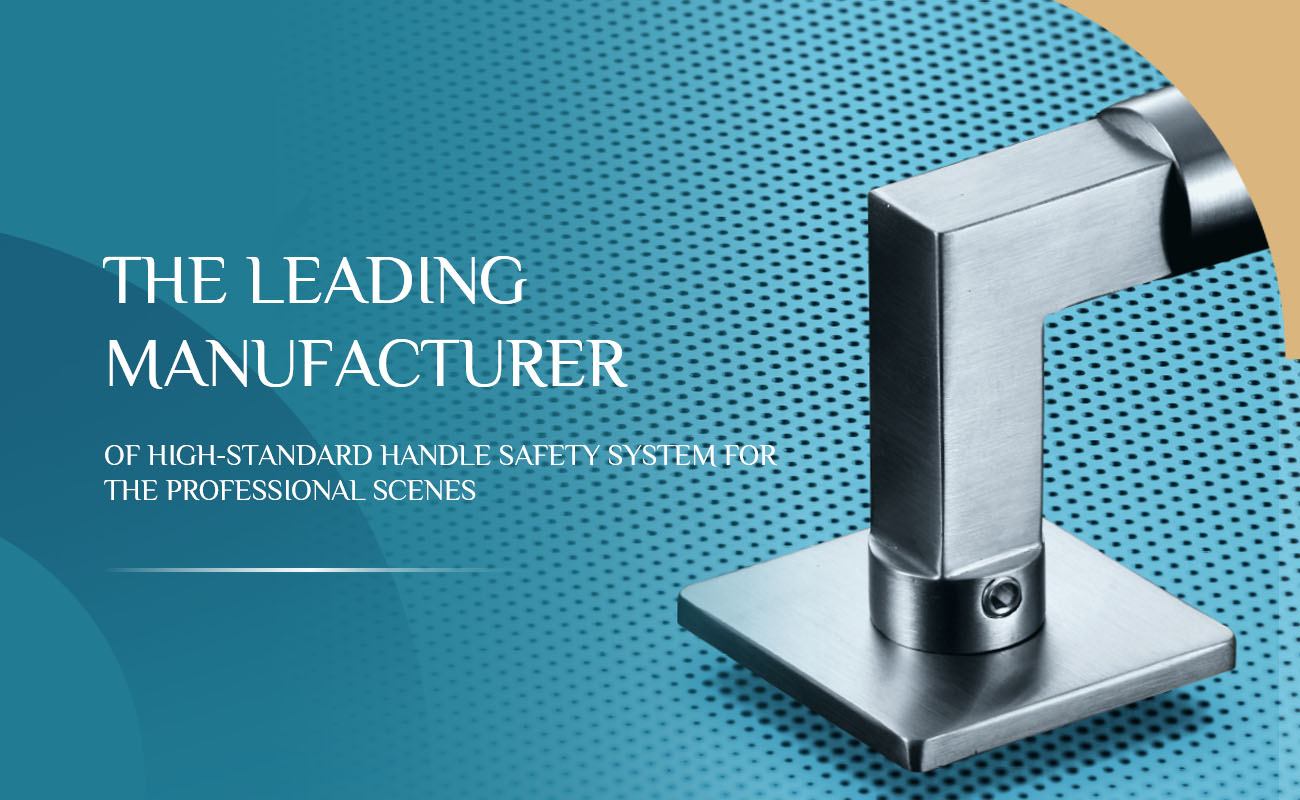
A privacy door handle is typically used for bedrooms and bathrooms. It is designed to lock from the inside for privacy but includes an emergency release mechanism on the exterior side. Unlocking a privacy handle without damage requires understanding its internal structure.
From a manufacturing standpoint, privacy handles use a simple locking cam mechanism rather than a keyed cylinder. As a professional architectural hardware manufacturer, Hangfat Metal produces privacy lever systems with calibrated internal springs and emergency-release structures for safe operation.
Step 1: Identify the Exterior Release Type
Most privacy handles include one of the following emergency access designs:
1. Small Pin Hole (Push Button Release)
Locate the small round hole on the outside knob or lever
Insert a thin, straight tool
Push gently until you feel resistance
Continue pressing until the lock disengages
This type usually unlocks instantly without rotation.
2. Slotted Emergency Release
This design requires slight turning rather than pushing.
Step 2: Turn the Handle Normally
After releasing the internal lock:
If the latch does not retract, check alignment between latch and strike plate.
Step 3: If the Mechanism Is Stuck
If the lock does not release:
Excessive force may damage the internal cam or spring.
Understanding How Privacy Locks Work
Privacy handles use:
A spring-loaded latch bolt
A simple push-button or turn-button lock
An emergency override shaft
Unlike keyed entry locks, privacy mechanisms are designed for quick emergency access.
Manufacturer vs Trader: Why Mechanism Precision Matters
Reliable emergency release depends on:
Accurate cam alignment
Calibrated spring tension
Spindle tolerance control
Consistent internal machining
A manufacturer ensures these components meet precise tolerance standards. Inconsistent internal assembly may cause sticking or delayed release.
Manufacturing Process Overview
Professional privacy door handle production typically includes:
Material selection (stainless steel, zinc alloy, aluminum, brass)
Casting or forging
CNC machining for internal precision
Spring and cam assembly
Surface finishing
Functional testing
Controlled production ensures smooth locking and unlocking performance.
Quality Control Checkpoints
Key inspections include:
Spring durability testing
Locking cam alignment verification
Torque resistance validation
Repeated cycle testing
Surface treatment inspection
These measures ensure consistent emergency functionality.
When Professional Assistance Is Needed
Consider professional help if:
The internal mechanism is broken
The latch is severely misaligned
The handle is jammed due to corrosion
Emergency release does not respond
In such cases, full handle replacement may be required.
Conclusion
To unlock a privacy door handle, locate the exterior emergency hole or slot, insert a suitable tool, and release the internal cam mechanism. Privacy locks are designed for safe emergency access. Precision manufacturing and calibrated internal components ensure smooth unlocking and reliable long-term performance in residential and commercial applications.