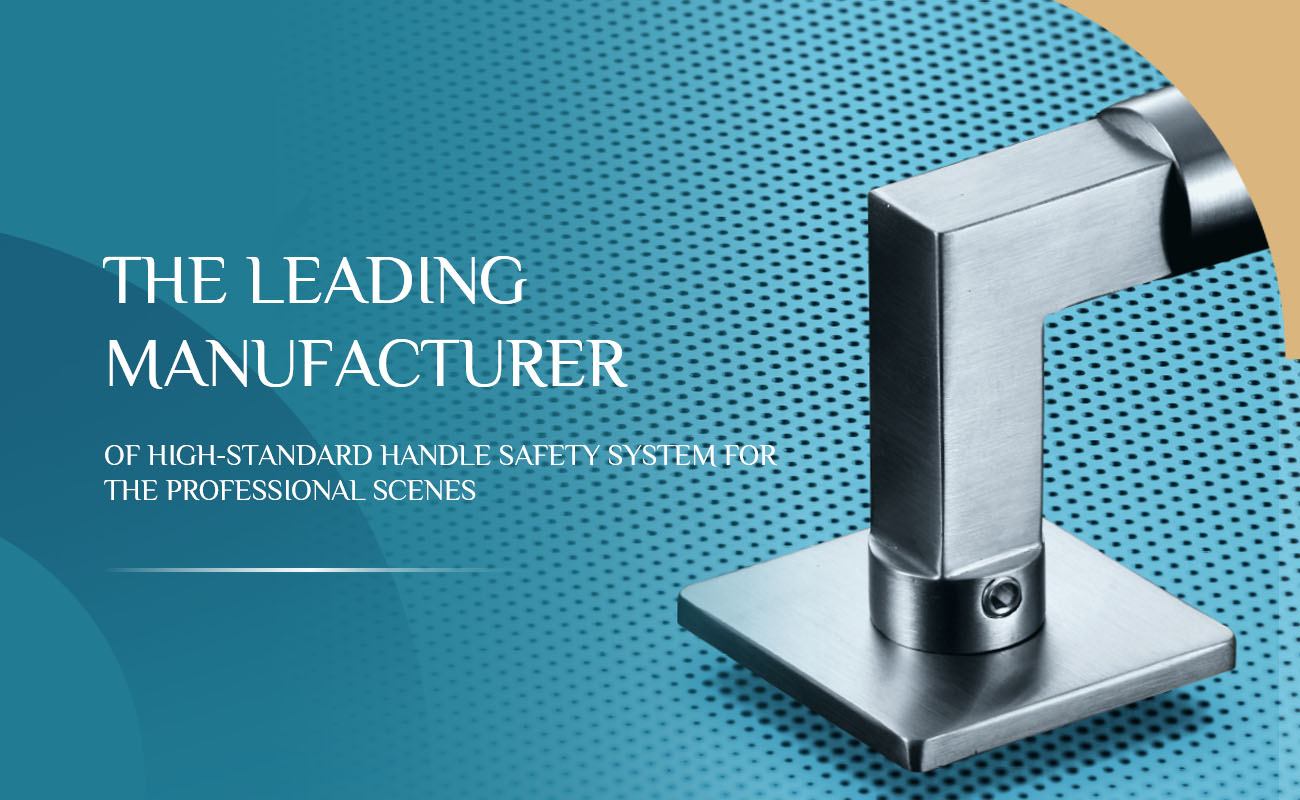
A door handle with no visible screws is usually built with a concealed fixing system. The clean surface looks more refined, but it also makes removal less obvious during maintenance, replacement, or project renovation. In most cases, the handle is secured by a hidden release hole, a small grub screw, or a cover rose that clips over the mounting plate. HANGFAT’s website positions the company as a lever handle manufacturer in China and shows a product range that includes stainless steel handles, turn knobs, back plates, locksets, and Hinges. That manufacturing background matters because concealed fixing hardware depends heavily on machining accuracy and assembly consistency, not only on exterior design.
Concealed screw structures are common because they improve appearance, reduce exposed hardware, and protect the fixing points from dust and moisture. HANGFAT’s own article on removing a lever door handle without visible screws explains that hidden screws are mainly used for aesthetic appeal, durability, and easier maintenance access through detachable cover plates. For sourcing teams, this is more than a styling detail. A concealed fixing system can improve the final look of residential and commercial doors, but only when the inner rose, release mechanism, and spindle are produced to stable tolerances.
How To Remove Door Handle With No Visible Screws Step By Step
The first step is to inspect the lever and rose carefully for a small pinhole, slot, or recessed hex screw. Many concealed door handle systems release from the underside of the lever or from the neck near the rose. The second step is to use the right tool, usually a small Allen key, flat screwdriver, or release pin, to loosen the hidden fixing point. The third step is to remove the decorative cover rose so the mounting plate and through bolts can be reached. HANGFAT’s removal guide recommends exactly this approach and lists flathead screwdriver, small Allen wrench, Phillips screwdriver, plastic trim tool, and protective cloth among the common tools for safe removal. On project sites, this process should be done without forcing the cover, because scratches or deformation around the rose can affect reinstallation accuracy.
Common Problems Found After Removal
Once the handle is off, the real issue is often easy to identify. The most common problems are loose through bolts, worn spindle holes, damaged springs, bent mounting plates, and poor alignment between lever and latch. These failures usually become visible only after the concealed cover is removed. In long-term use, repeated opening cycles magnify even small tolerance errors. BS EN 1906 guidance identifies two durability grades for lever handle and knob furniture: Grade 6 at 100,000 cycles and Grade 7 at 200,000 cycles. Those figures show why internal structure matters just as much as surface finish when a concealed screw door handle is used in frequent-traffic doors.
Manufacturer Vs Trader In Concealed Handle Supply
The difference between a manufacturer and a trader becomes very clear with concealed fixing products. A trader may offer many styles, but a manufacturer controls the critical details behind the visible surface: spindle fit, inner rose thickness, fixing screw engagement, welding quality, and finish consistency. HANGFAT describes itself as a direct lever handle manufacturer and highlights products made for contract, residential, and office commercial markets. One of its EN standard handle pages also states that the products are made with laser cutting and laser welding and are intended to meet contract market requirements. That kind of process control is especially important for hidden screw hardware, because any dimensional inconsistency is harder to correct once the handle is installed.
OEM And ODM Process Before Mass Production
For OEM projects, the buyer may already have a preferred concealed fixing structure, rose shape, spindle size, or finish target. For ODM projects, the manufacturer can improve the design by adjusting release access, strengthening the mounting plate, or optimizing the lever neck and spring return system. In either case, sample confirmation should include removal and reinstallation testing, not only appearance approval. A useful project sourcing checklist should cover concealed fixing method, release tool type, spindle specification, door thickness range, latch compatibility, and replacement convenience. HANGFAT’s product pages show compatibility with standard EU lockcases and magnetic lockcases on some models, which is important because concealed handle removal and reassembly must work smoothly with the intended lock body.
Manufacturing Process Overview
A concealed screw handle depends on stable production from the beginning. The general manufacturing flow includes material selection, forming or casting, precision machining, surface finishing, assembly, and final inspection. HANGFAT’s product pages repeatedly highlight SUS304 stainless steel options, casting or crank-form structures, and specialized designs for narrow profile doors. One crank-form handle page notes that the design is intended for slim profile doors narrower than 80 millimeters, which shows that the company works with application-specific geometry rather than only general shapes. For concealed hardware, this is important because installation space, lockcase position, and release access all depend on dimensional precision.
Quality Control Checkpoints That Matter
Quality control for concealed fixing handles should go beyond surface appearance. Key checkpoints include spindle dimension inspection, spring return testing, screw engagement verification, cover rose fit, corrosion testing, and repeated assembly checks. HANGFAT states on one solid casting lever handle page that its SUS304 satin finish can reach a 240-hour anti-corrosion test, inner rose and plates can reach a 96-hour anti-rust test, and the steel spindle can reach 80 Nm torque with EN 1906 grade 4 salt spray performance. These details are useful because hidden fixing systems rely on internal strength. A handle that looks clean on the outside but lacks torque resistance or corrosion protection will create service issues later.
Material Standards Used
Material selection has a direct effect on removal, reinstallation, and long-term stability. SUS304 stainless steel is widely valued for corrosion resistance and structural reliability, especially in humid or coastal environments. HANGFAT’s product listings prominently feature SUS304 stainless steel handle options, including solid casting and narrow-profile models. For concealed screw structures, higher material stability helps maintain accurate thread engagement and reduces deformation around the mounting area after repeated use. That is why material standards used in architectural hardware should be reviewed alongside design and finish, especially for export projects where environment and usage intensity may vary by market.
Export Market Compliance And Bulk Supply Considerations
Export supply requires more than a good-looking handle. Different markets expect different levels of durability, corrosion resistance, and lockcase compatibility. BS EN 1906 is widely used as a reference for lever handle and knob furniture in European markets, while contract projects often pay close attention to category of use and durability class. HANGFAT’s EN standard handle page states category of use Grade 3 or 4 according to BS EN 1906 and describes the range as suitable for contract, residential, or office commercial market requirements. For bulk supply, this matters because concealed screw hardware must remain consistent not just in finish, but in fixing structure, spindle tolerance, and installation dimensions across repeated production batches.
Quick Project Sourcing Checklist
Item | What to confirm
Concealed fixing type | Release hole, grub screw, or clip-on rose
Tool access | Allen key, release pin, or flat tool
Lockcase fit | Standard EU lockcase or magnetic lockcase as required
Material | SUS304 or other specified grade
Durability target | 100,000 or 200,000 cycles depending on application
Corrosion target | Finish and salt spray level for the destination environment
Batch consistency | Same spindle, same rose fit, same fixing structure
Packaging | Protection for finish and concealed components during transport
This checklist is practical because most problems with hidden screw handles appear after installation, not before shipment. A manufacturer that controls design, materials, machining, and inspection can reduce those failures at the source. HANGFAT’s range and published technical positioning suggest that it works from that manufacturing logic rather than from simple resale.
Conclusion
Knowing how to remove door handle with no visible screws is useful for maintenance, but for sourcing and project planning the more important issue is why the concealed structure works well or fails early. Clean design alone is not enough. Reliable removal and reinstallation depend on precise machining, stable materials, thoughtful OEM or ODM review, and strong quality control checkpoints. HANGFAT’s positioning as a direct architectural hardware manufacturer, together with its stainless steel lever handle range and EN-focused product lines, makes concealed fixing hardware a more manageable choice for long-term supply and export projects.