Problem Explanation
Stainless Steel Door Handles are widely used in commercial buildings for their durability and clean appearance. However, in coastal areas, even high-quality Stainless Steel Door Handles may show signs of rust or surface corrosion over time. This issue is primarily caused by the high concentration of salt in the air, combined with humidity and temperature fluctuations.
According to corrosion studies in marine environments, chloride ions from sea salt can penetrate the protective oxide layer on stainless steel surfaces. Once this passive layer is damaged, localized corrosion such as pitting can occur. Research in material engineering shows that standard stainless steel exposed to coastal environments can experience visible corrosion within 6 to 12 months if the material grade or surface treatment is insufficient.
Another contributing factor is inconsistent manufacturing quality. Door hardware sourced through traders may come from multiple factories, leading to variations in material composition and finishing processes. This inconsistency increases the risk of premature corrosion, especially when large batches are installed in the same project.
Solutions
Preventing corrosion in coastal environments requires a combination of correct material selection, controlled manufacturing processes, and strict quality control. A professional stainless steel door handle manufacturer ensures that all raw materials meet international standards before production begins.
Material grade plays a critical role. SUS304 stainless steel offers good corrosion resistance for general applications, but in coastal environments, SUS316 is recommended due to its higher molybdenum content, which significantly improves resistance to chloride corrosion. Studies show that SUS316 can provide up to 30 percent better corrosion resistance compared to SUS304 in salt-rich conditions.
The manufacturing process must also be tightly controlled. Surface finishing techniques such as fine polishing and passivation help strengthen the protective oxide layer. A surface roughness below Ra 0.8 reduces the likelihood of salt accumulation, improving long-term performance.
Quality control checkpoints are essential throughout production. These include chemical composition testing, surface inspection, and salt spray testing. High-quality door handles typically achieve over 240 hours in salt spray tests without visible corrosion under standardized testing conditions.
Manufacturers with OEM and ODM capabilities can further enhance corrosion resistance by adjusting material thickness, internal structure, and surface treatment based on project requirements. This level of customization ensures that door hardware performs reliably in specific environmental conditions.
How To Choose The Right Product
Choosing corrosion-resistant stainless steel door handles requires a structured evaluation based on environment, usage frequency, and project requirements. The following comparison outlines key material differences:
Material Grade | Suitable Environment | Corrosion Resistance
SUS304 | Indoor and general commercial use | Moderate
SUS316 | Coastal and high humidity areas | High
Low-grade stainless steel | Low-cost applications | Low
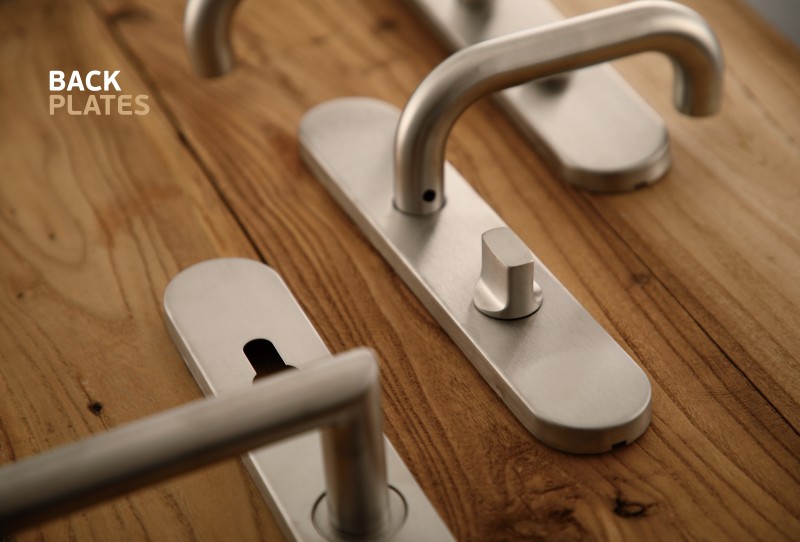
For coastal projects, selecting heavy duty stainless steel door handles with reinforced construction and high-quality surface finishing is essential. Surface treatments such as brushed or satin finishes help reduce visible wear and improve resistance to environmental exposure.
Bulk supply considerations are equally important. Large-scale projects require consistent product specifications across thousands of units. Working directly with a manufacturer ensures stable quality, controlled production timelines, and uniform finishing.
HANGFAT, as an experienced commercial door hardware manufacturer, provides integrated production from raw material processing to final assembly. With strict quality management systems and advanced manufacturing equipment, HANGFAT ensures consistent output for bulk orders. The company also supports OEM and ODM customization, allowing products to be tailored for coastal environments and specific project needs.
Conclusion And Guidance
Corrosion of stainless steel door handles in coastal areas is mainly caused by chloride exposure, humidity, and inconsistent manufacturing quality. Addressing this issue requires selecting the correct material grade, applying advanced surface treatments, and ensuring strict quality control during production.
A manufacturer with full production capability, strong engineering support, and experience in export compliance can significantly reduce corrosion risks and improve product lifespan. HANGFAT combines material expertise, precision manufacturing, and scalable production capacity to deliver reliable commercial door hardware solutions for demanding environments.
Evaluating project requirements and working with a qualified manufacturer helps ensure that stainless steel door handles maintain both performance and appearance, even in challenging coastal conditions.