A capable custom hardware manufacturer needs more than production equipment. Custom projects require engineering support, flexible OEM and ODM processes, material knowledge, stable bulk production, measurable quality control, and experience with export standards. The key question is whether the factory can turn a unique requirement into repeatable mass production.
Direct Manufacturing Capability Comes First
For customized door hardware, buyers should first distinguish a manufacturer vs trader.
A manufacturer directly controls machining, welding, polishing, assembly, testing, and production adjustments. This shortens communication between engineering and production when drawings or samples need to be modified.
HANGFAT was established in Jiangmen in 1994 and integrates product development, manufacturing, and marketing. The company provides OEM and ODM services and states a monthly capacity of approximately 800,000 pairs or sets.
OEM And ODM Projects Need Engineering Flexibility
An OEM project may begin with an existing drawing or sample, while ODM development often requires more support with structure, materials, finish, and production feasibility.
A useful project sourcing checklist should include:
A capable factory should be able to identify whether these requirements affect tooling, internal components, welding positions, polishing access, or assembly methods before mass production starts.
Manufacturing Processes Must Support Customization
Custom hardware often passes through material preparation, machining, forming, welding, polishing, surface treatment, assembly, and inspection.
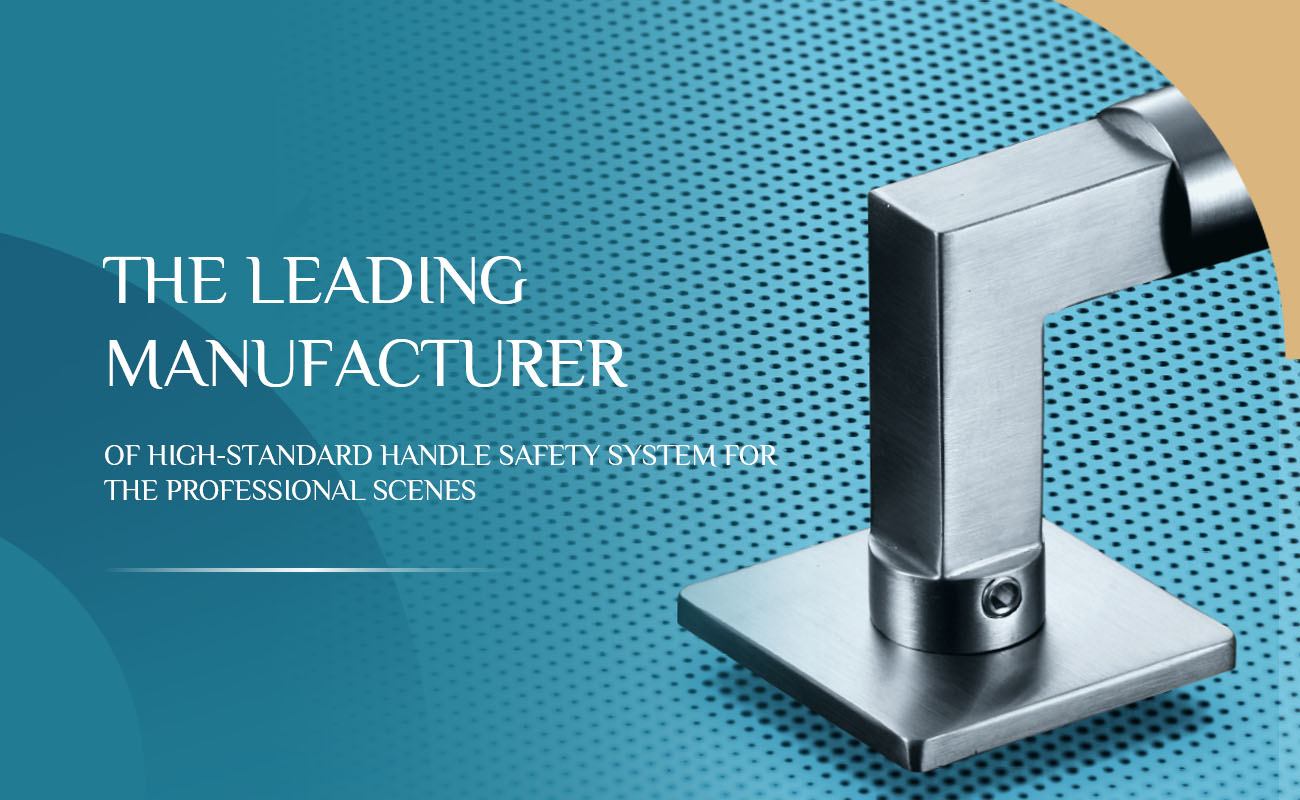
HANGFAT combines CNC machining and laser welding on selected products, helping maintain structural accuracy and welding strength. Its crank-form lever handles also use CNC-machined components and laser welding for narrow-profile door applications.
This manufacturing flexibility is important when a project requires changes in shape, fitting structure, or performance level.
Material Knowledge Is Essential
Material selection affects strength, corrosion resistance, finishing, and cost.
Selected HANGFAT lever handles are available in SUS304 or SUS316 stainless steel. Its Stainless Steel Crank Form Lever Handle LHT21 is available in both grades and is designed for narrow-profile commercial and entrance doors.
A capable manufacturer should help determine whether the project needs SUS304, SUS316, a specific surface treatment, or a higher corrosion-resistance level rather than using one material specification for every application.
Quality Control Must Be Measurable
Custom projects become risky when quality is judged only by appearance.
Important quality control checkpoints include:
| Stage | Main Control Point |
|---|
| Material | Grade and specification |
| Machining | Critical dimensions |
| Welding | Joint strength |
| Finishing | Surface consistency |
| Assembly | Fit and movement |
| Testing | Durability and corrosion |
| Packing | Protection and labeling |
Selected HANGFAT products can reach 200,000 durability cycles under EN 1906, 2500 N pull testing, and EN 1670 Grade 5 corrosion resistance with 480-hour testing.
These figures give custom projects measurable acceptance criteria before bulk supply begins.
Bulk Production Capacity Matters After Sample Approval
Producing one successful prototype is different from producing thousands of consistent units.
A capable OEM hardware manufacturer needs enough production capacity, process documentation, inspection procedures, and material planning to reproduce the approved specification across repeated orders. HANGFAT's stated monthly capacity of approximately 800,000 pairs or sets provides a basis for larger supply programs.
Export requirements should be discussed before drawings and materials are finalized.
HANGFAT presents compliance and testing credentials including EN 1906, EN 1670, ISO 9001, ISO 14001, CE, and RoHS-related documentation.
For custom projects, the required market standard can influence materials, internal construction, testing, and even fitting design.
The ability to handle custom projects therefore depends on the complete manufacturing system rather than customization claims alone. Engineering support, direct production control, material expertise, measurable testing, bulk supply capability, and export compliance allow HANGFAT to move projects from drawings and samples to repeatable mass production with clearer technical control.