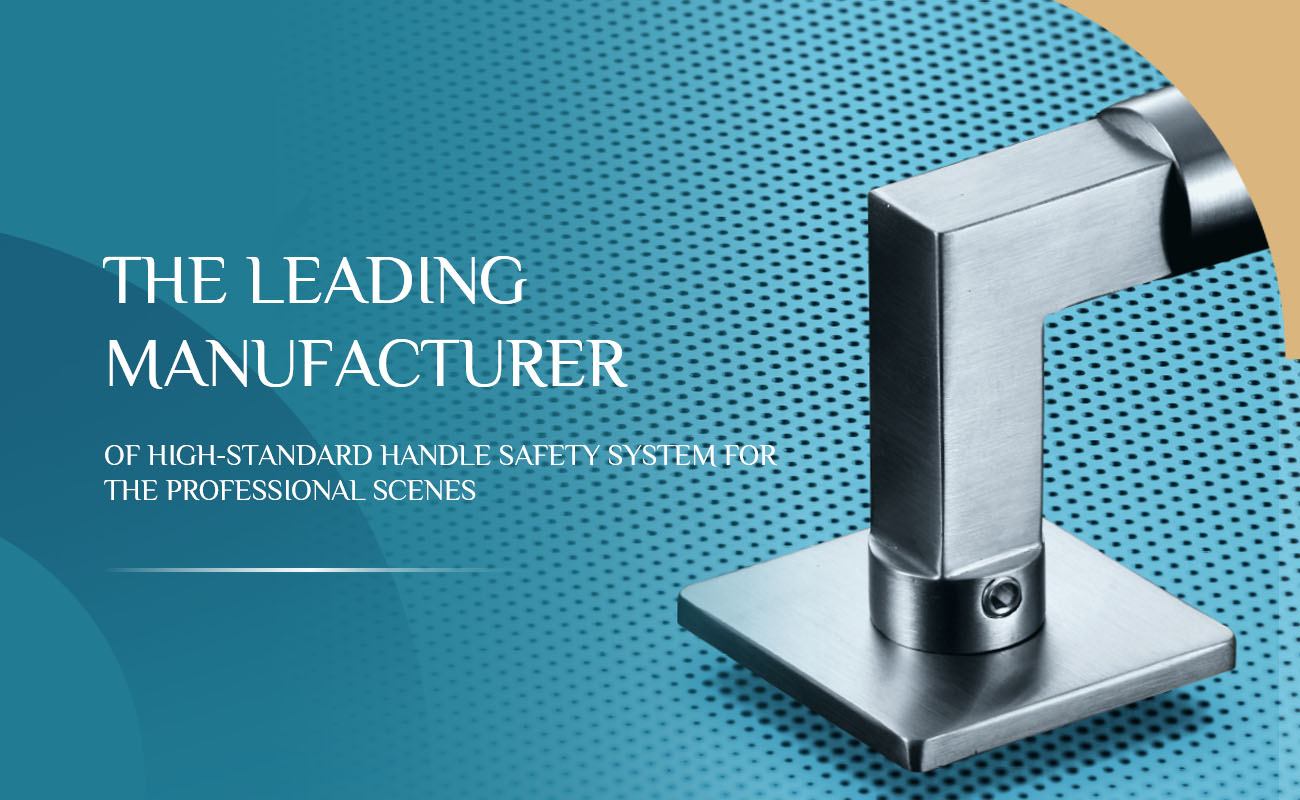
Manufacturers control custom hardware quality through strict material inspection, process monitoring, precision testing, surface inspection, and complete quality management systems.
Quality control is essential in custom hardware production because customized components must meet specific requirements for appearance, dimensions, strength, and long-term performance.
Unlike standard hardware products, custom hardware is produced according to unique drawings, application conditions, and customer specifications. Small differences in material quality, machining accuracy, or surface treatment can affect installation performance and final appearance.
For products such as door hardware, cabinet fittings, architectural components, and decorative metal parts, quality control must cover the entire manufacturing process rather than only checking finished products.
From practical manufacturing experience, reliable hardware quality is created through continuous control at every stage, from raw material selection to final packaging.
How Do Manufacturers Inspect Raw Materials Before Production?
Material inspection is the first quality control step in custom hardware manufacturing.
Different metals have different properties, and material consistency directly affects processing performance and final product durability. Common materials used for hardware include:
Stainless steel
Brass
Aluminum alloy
Zinc alloy
Carbon steel
Before production, manufacturers typically verify:
Material specifications
Chemical composition
Surface condition
Thickness and dimensions
Supplier documentation
Stable material quality helps prevent problems during casting, machining, polishing, and coating processes.
For custom hardware projects requiring consistent appearance across multiple batches, controlling raw material quality is especially important.
How Is Production Accuracy Controlled During Machining?
Precision machining is a critical stage for ensuring custom hardware dimensions meet design requirements.
Manufacturers use advanced equipment such as:
During machining, quality control focuses on:
Product dimensions
Hole positions
Thread accuracy
Surface smoothness
Assembly compatibility
Modern CNC equipment can achieve high repeatability, allowing manufacturers to produce multiple components with consistent dimensions.
Regular equipment calibration and process monitoring help maintain machining accuracy throughout long production runs.
How Do Manufacturers Control Quality During Metal Forming And Casting?
Casting and forming processes require careful monitoring because they determine the basic structure of hardware components.
During casting, manufacturers control factors such as:
Mold accuracy
Metal temperature
Cooling conditions
Material flow
During metal forming, attention is given to:
Bending accuracy
Material deformation
Structural strength
Shape consistency
Proper process control helps reduce common defects such as cracks, uneven surfaces, deformation, and internal weaknesses.
Experienced manufacturers optimize production parameters according to different materials and product structures to achieve stable results.
How Is Surface Finish Quality Tested?
Surface quality is a major evaluation factor for custom hardware because appearance directly affects product value.
Manufacturers inspect finishes including:
Brushed surfaces
Polished surfaces
PVD coatings
Plated finishes
Powder coatings
Quality checks typically evaluate:
| Inspection Item | Purpose |
|---|
| Color Consistency | Ensures matching appearance between batches |
| Surface Smoothness | Checks polishing and finishing quality |
| Coating Adhesion | Confirms finish durability |
| Scratch Resistance | Evaluates daily wear performance |
| Corrosion Resistance | Measures environmental protection |
For decorative hardware, controlled lighting inspections and reference samples are often used to ensure the final finish matches approved standards.
How Do Manufacturers Ensure Dimensional Accuracy?
Dimensional accuracy determines whether custom hardware can be installed and used correctly.
Manufacturers use precision measuring tools such as:
Important measurements may include:
Overall dimensions
Thickness
Hole spacing
Mounting positions
Component alignment
For architectural hardware and furniture fittings, even small dimensional differences may affect installation efficiency. Regular measurement during production helps identify issues before final assembly.
What Quality Tests Are Performed Before Shipment?
Before shipment, finished hardware products usually undergo final quality inspections.
Typical checks include:
Appearance Inspection
Confirms surface condition, color consistency, and absence of visible defects.
Functional Testing
Ensures moving parts operate smoothly and components fit correctly.
Strength Testing
Evaluates whether products can withstand expected usage conditions.
Packaging Inspection
Checks whether products are properly protected during transportation.
A complete final inspection process reduces the risk of damaged or inconsistent products reaching customers.
How Does A Quality Management System Improve Production Reliability?
A structured quality management system helps manufacturers maintain consistent standards across different orders.
Key elements include:
Quality management systems allow manufacturers to track production conditions and quickly identify the source of potential issues.
For repeat custom hardware orders, documented processes help maintain the same product quality over time.
How Do Manufacturers Handle Customized Hardware Requirements?
Custom hardware projects often involve unique specifications, finishes, and performance expectations.
To meet these requirements, manufacturers usually follow a controlled development process:
Review product drawings and technical requirements
Confirm material and manufacturing methods
Produce prototypes or samples
Test product performance and appearance
Begin mass production after approval
This approach reduces production risks and ensures the final products match the original design expectations.
What Should Buyers Check When Evaluating Hardware Quality Control?
A reliable custom hardware manufacturer should have strong quality control capabilities throughout the production process.
Important evaluation points include:
Experience with customized products
Complete inspection procedures
Advanced manufacturing equipment
Stable surface treatment capability
Ability to provide samples and production verification
Quality control capability is not only reflected in inspection reports but also in the consistency of products delivered over multiple orders.
Final Answer: How Do Manufacturers Control Quality In Custom Hardware Production?
Manufacturers control custom hardware quality through a complete system covering material inspection, precision manufacturing, surface treatment control, dimensional measurement, and final testing.
By monitoring every production stage and maintaining standardized processes, manufacturers can deliver custom hardware products with consistent appearance, accurate dimensions, and reliable long-term performance.