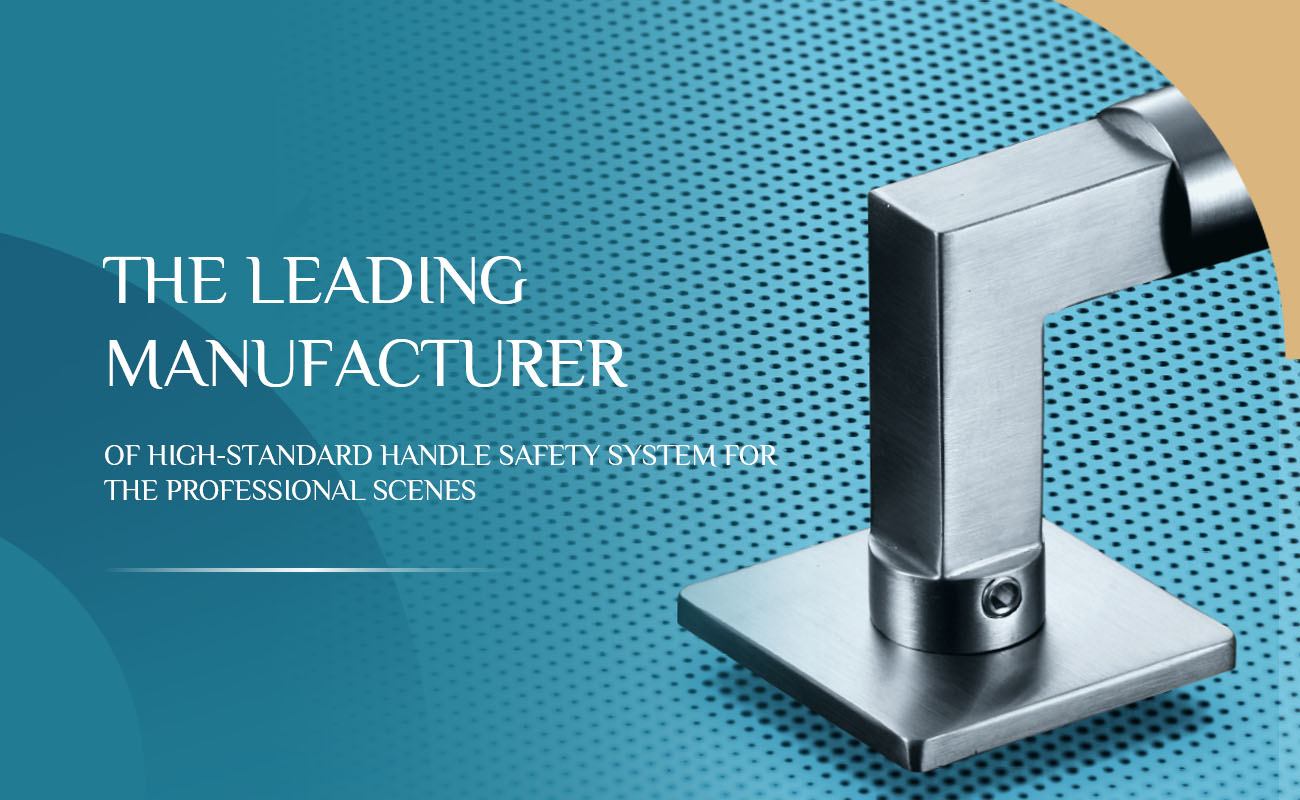
Door hardware for high-traffic public buildings should be selected based on durability, safety, usage frequency, maintenance requirements, and compliance with building needs.
Why Is Door Hardware Selection Important For Public Buildings?
Choosing the right door hardware is critical for public buildings because these products must withstand frequent operation while maintaining safety, reliability, and user convenience.
Unlike residential applications, public buildings such as airports, hospitals, schools, shopping centers, offices, and transportation facilities experience continuous daily traffic.
Poor hardware selection may lead to:
From practical manufacturing experience, selecting suitable door hardware requires understanding both the building environment and the expected usage conditions.
What Factors Should Be Considered For High-Traffic Door Hardware?
High-traffic environments require hardware designed for intensive use.
Important selection factors include:
Usage frequency
Door weight and size
Environmental conditions
Safety requirements
Maintenance expectations
Expected service life
Hardware used in public buildings must provide stable performance under repeated operation.
For example, entrance doors in commercial facilities may open thousands of times per day, requiring stronger components compared with standard interior doors.
How Does Usage Frequency Affect Hardware Selection?
Usage frequency is one of the most important factors when choosing public building door hardware.
Different locations require different performance levels:
| Application Area | Hardware Requirements |
|---|
| Building Entrances | High durability and smooth operation |
| Hospitals | Easy operation and reliable performance |
| Schools | Strong wear resistance and safety |
| Shopping Centers | Heavy-duty performance |
| Office Buildings | Balance of durability and appearance |
For high-use areas, hardware should be selected based on expected operation cycles rather than only appearance.
Which Materials Are Suitable For High-Traffic Door Hardware?
Material selection directly affects strength, durability, and maintenance performance.
Common materials include:
| Material | Advantages | Applications |
|---|
| Stainless Steel | Corrosion resistance and high durability | Public entrances and commercial doors |
| Brass | Premium appearance and good mechanical performance | Decorative public areas |
| Aluminum | Lightweight and modern design | Interior applications |
| Zinc Alloy | Flexible design options | Decorative components |
For high-traffic public buildings, materials with strong wear resistance and corrosion protection are often preferred.
Environmental conditions should also be considered. Buildings located in humid, coastal, or outdoor environments may require enhanced material performance.
Why Is Door Hardware Durability Important?
Durability determines how well hardware performs under continuous use.
High-quality public building hardware should withstand:
Frequent opening and closing
Heavy operating forces
Repeated mechanical movement
Daily cleaning procedures
Important durability considerations include:
Structural strength
Component quality
Wear resistance
Long-term stability
Selecting durable hardware reduces replacement frequency and helps maintain smooth building operation.
How Should Safety Requirements Influence Hardware Selection?
Safety is a major consideration for public buildings.
Door hardware may need to support:
Emergency access
Safe evacuation
Controlled entry
Reliable Locking
Easy operation
Different building areas may require different safety solutions.
For example, emergency exits require hardware that allows quick operation, while restricted areas may require stronger access control functions.
The correct hardware selection should support both security and user safety.
How Do Surface Finishes Affect Public Building Hardware?
Surface finishes influence both appearance and long-term maintenance.
Common finishes include:
Brushed stainless steel
Polished finishes
PVD coatings
Matte finishes
Plated surfaces
For high-traffic buildings, practical considerations include:
Brushed finishes are often selected for busy public spaces because they maintain a clean appearance with less visible wear.
Premium projects may choose PVD finishes when both durability and decorative appearance are required.
What Maintenance Requirements Should Be Considered?
Maintenance requirements should be evaluated before selecting door hardware.
Public buildings benefit from hardware that offers:
Low-maintenance hardware helps reduce operational costs and minimizes disruption caused by repairs.
For facilities operating continuously, maintenance efficiency is an important part of hardware selection.
How Does Hardware Quality Affect Long-Term Building Costs?
Although higher-quality hardware may require a larger initial investment, it can reduce long-term operating costs.
Durable hardware helps reduce:
For public buildings, the total ownership cost is often more important than the initial purchase price.
How Can Manufacturers Support Public Building Hardware Selection?
Experienced hardware manufacturers can provide support beyond product supply.
Support may include:
Application recommendations
Material selection guidance
Custom design solutions
Performance evaluation
Project-specific recommendations
Manufacturing experience helps match hardware solutions with actual building requirements.
What Should Buyers Evaluate Before Choosing A door hardware supplier?
Before selecting a supplier, buyers should evaluate:
Product Capability
Can the supplier provide suitable hardware for high-traffic applications?
Manufacturing Experience
Does the supplier understand commercial project requirements?
Are products tested and inspected before delivery?
Customization Ability
Can the supplier support specific project needs?
Delivery Reliability
Can the supplier handle large quantities and project schedules?
A capable supplier helps ensure that selected hardware performs reliably after installation.
Final Answer: How Should Door Hardware Be Selected For High-Traffic Public Buildings?
Door hardware for high-traffic public buildings should be selected based on usage frequency, material durability, safety requirements, maintenance needs, and long-term performance.
Choosing the right hardware solution helps public facilities maintain reliable operation, improve user experience, and reduce maintenance costs throughout the building lifecycle.