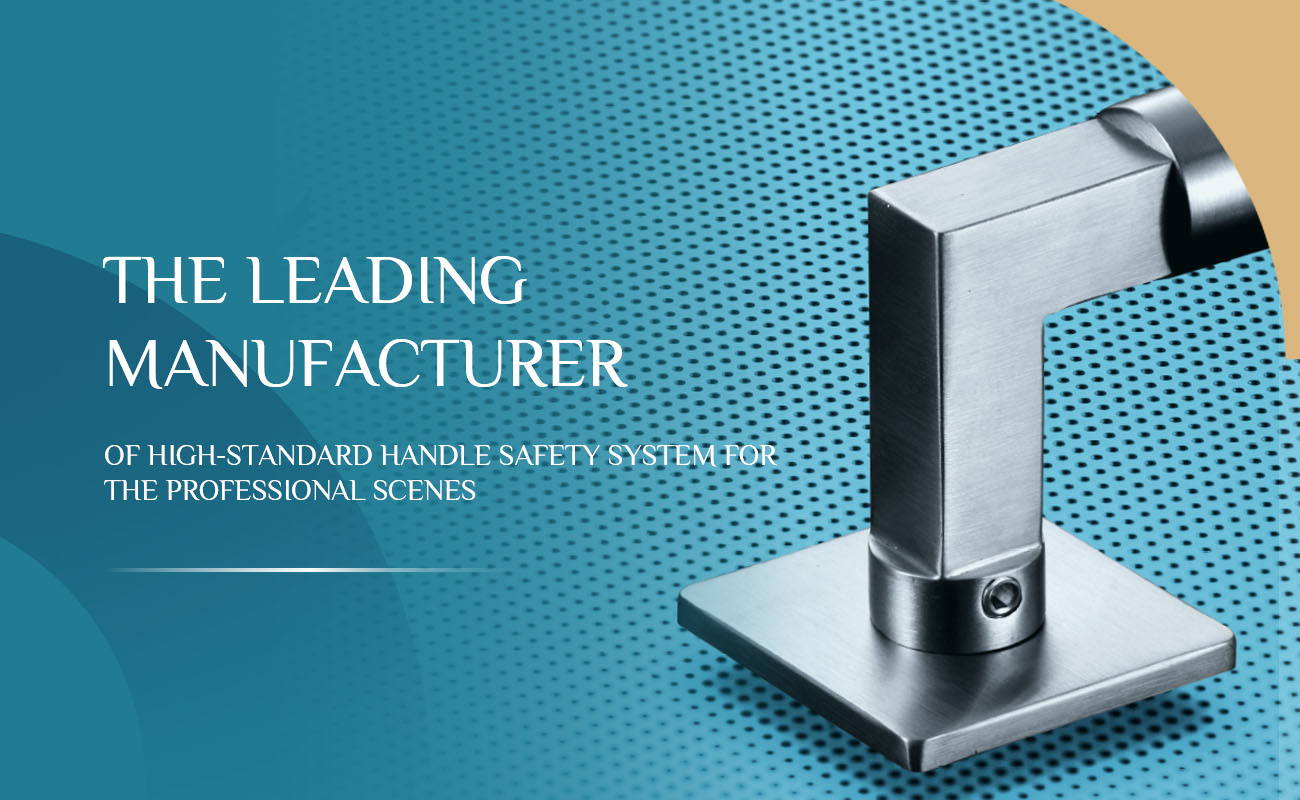
Working with a custom door hardware manufacturer requires clear requirements, engineering cooperation, sample approval, quality control, and effective project management from development to delivery.
Custom door hardware manufacturers help brands, distributors, contractors, and project buyers develop products that match specific design and performance requirements.
Unlike standard hardware suppliers, custom manufacturers provide support throughout the entire product development process, including:
Design evaluation
Material selection
Prototype development
Manufacturing
Surface finishing
Quality inspection
Delivery management
Custom manufacturing is especially valuable for:
Hotels
Commercial buildings
Residential developments
Hardware brands
Architectural projects
From practical manufacturing experience, successful custom hardware projects depend on close cooperation between customer requirements and manufacturing expertise.
What Should Be Prepared Before Starting A Custom Hardware Project?
Before working with a manufacturer, buyers should prepare clear project information.
Important details include:
Clear information helps manufacturers evaluate:
Production feasibility
Suitable materials
Manufacturing methods
Estimated timelines
Cost factors
A complete project brief creates a stronger foundation for successful cooperation.
How Does The Custom Door Hardware Development Process Work?
A professional custom hardware development process usually includes several stages.
Requirement Discussion
The manufacturer reviews customer requirements, drawings, and application needs.
Engineering Evaluation
Technical teams analyze product structure and manufacturing feasibility.
Prototype Development
Samples are created for appearance and functional confirmation.
Customer Approval
The approved sample becomes the production reference.
Mass Production
Products are manufactured under controlled processes.
Quality Inspection And Delivery
Finished products are inspected, packaged, and shipped.
This structured process helps reduce risks and ensures the final products match expectations.
How Does Engineering Support Improve Custom Hardware Projects?
Engineering support plays an important role in transforming ideas into manufacturable products.
Professional manufacturers help customers evaluate:
Product structure
Material selection
Manufacturing methods
Assembly requirements
Production efficiency
Engineering teams can identify potential issues before production begins.
This helps improve:
Product reliability
Manufacturing efficiency
Cost control
Production stability
How Should Materials Be Selected For Custom Door Hardware?
Material selection affects durability, appearance, and maintenance requirements.
Common materials include:
| Material | Characteristics | Applications |
|---|
| Stainless Steel | Durable and corrosion resistant | Commercial and public buildings |
| Brass | Premium appearance and excellent finishing options | Luxury projects |
| Aluminum | Lightweight and modern | Interior applications |
| Zinc Alloy | Flexible design and cost efficiency | Decorative hardware |
Manufacturers recommend materials based on:
Usage frequency
Environmental conditions
Design requirements
Expected service life
The right material selection helps ensure long-term hardware performance.
What Surface Finishes Can Be Customized?
Surface finishing is one of the most important customization areas for door hardware.
Common finishes include:
Brushed stainless steel
Polished finish
PVD coating
Electroplating
Matte finish
Antique finish
Different finishes provide different:
Visual effects
Durability levels
Maintenance requirements
For large projects, finish consistency is critical because multiple hardware components must maintain the same appearance.
How Is Quality Controlled During Custom Hardware Production?
Quality control ensures that customized door hardware meets customer requirements.
Professional manufacturers typically inspect:
Material Quality
Verifying raw materials before production.
Dimensional Accuracy
Ensuring products match approved drawings.
Surface Quality
Checking finishes, colors, and textures.
Functional Performance
Testing product operation and reliability.
Final Shipment Quality
Confirming quantity, packaging, and product condition.
A complete quality control system helps maintain consistency across different production batches.
How Does Prototype Approval Reduce Project Risks?
Prototype approval is a critical step before mass production.
Samples allow customers to confirm:
Approving samples before production reduces the risk of:
A confirmed prototype becomes the standard for future manufacturing.
How Do Manufacturers Handle Large Custom Door Hardware Orders?
Large orders require strong production management.
Manufacturers manage large projects through:
Production scheduling
Material preparation
Process control
Batch inspection
Delivery planning
Maintaining consistency across thousands of units requires:
Standardized processes
Manufacturing records
Quality checkpoints
This ensures every product batch meets the approved requirements.
How Important Is Communication During Custom Hardware Projects?
Communication is essential throughout the entire manufacturing process.
Important communication points include:
Design confirmation
Sample feedback
Production updates
Quality discussions
Shipping arrangements
Good communication helps prevent:
A strong communication process creates more efficient cooperation.
Before cooperation, buyers should evaluate several capabilities.
Manufacturing Experience
Does the manufacturer understand custom hardware production?
Production Capability
Can the factory support required quantities?
Engineering Ability
Can the supplier provide technical solutions?
Quality Management
Are production controls established?
Customization Capability
Can products be adapted to specific requirements?
Delivery Reliability
Can orders be completed according to schedule?
A complete evaluation helps buyers select a suitable long-term partner.
What Are The Benefits Of Long-Term Cooperation With A Hardware Manufacturer?
Long-term cooperation provides several advantages.
Benefits include:
Better product consistency
Faster communication
Improved production efficiency
Easier repeat orders
Continuous product improvement
Over time, manufacturers gain deeper understanding of customer requirements and can provide more efficient solutions.
Why Is Choosing The Right Manufacturer Important For Door Hardware Projects?
A custom door hardware manufacturer provides more than production services.
The right partner offers:
This support helps customers develop products that meet both design expectations and practical application requirements.
Final Answer: How Should Businesses Work With A Custom Door Hardware Manufacturer?
Businesses should work with a custom door hardware manufacturer through clear project communication, engineering cooperation, prototype approval, controlled production, and continuous quality management.
A professional manufacturer helps customers transform product ideas into reliable door hardware solutions with consistent quality, customized designs, and stable long-term supply.