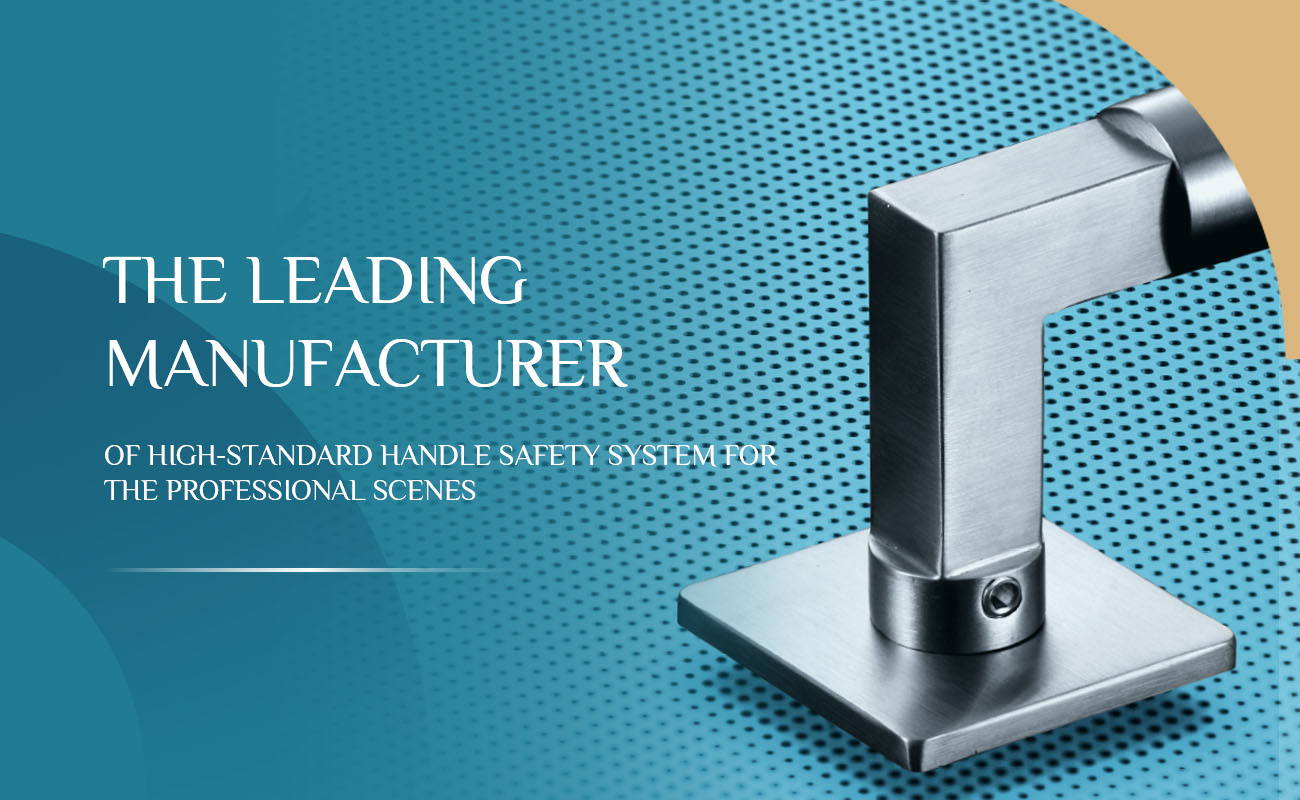
Door Pull Handles are generally more suitable for public building entrances requiring durability and strong visual design, while push plates are ideal for doors where hands-free or push operation is preferred.
Why Is Door Hardware Selection Important For Public Buildings?
Public buildings experience frequent daily traffic and require hardware that can support different user needs.
Door hardware in public spaces must consider:
Frequent operation
User convenience
Safety requirements
Durability
Maintenance efficiency
Common public building applications include:
Airports
Hospitals
Schools
Shopping centers
Office buildings
Government facilities
Door pull handles and push plates serve different functions, and the right choice depends on door usage, building design, and accessibility requirements.
What Is The Difference Between Door Pull Handles And Push Plates?
The main difference is how users interact with the door.
Door Pull Handle
A door pull handle allows users to grip and pull the door open.
Characteristics include:
Strong visual presence
Easy identification
Durable construction
Suitable for large doors
Common applications:
Main entrances
Glass doors
Commercial entrances
Architectural doors
Push Plate
A push plate is a flat surface installed on a door where users apply force to open the door.
Characteristics include:
Simple operation
Hands-free possibility
Compact design
Easy maintenance
Common applications:
Which Solution Is Better For Main Public Entrances?
Door pull handles are often preferred for main entrances because they provide:
Large entrance doors in:
Shopping malls
Hotels
Office buildings
often use pull handles because they create a stronger visual impression.
Push plates are more commonly used where functional operation is more important than decorative appearance.
Which Hardware Provides Better User Convenience?
User convenience depends on the door function.
Door pull handles provide:
Natural pulling movement
Comfortable grip
Easy identification
They are suitable for doors requiring users to clearly understand the opening direction.
Push plates provide:
They are useful in environments where users may have:
Full hands
Limited hand mobility
Frequent movement
Which Option Is Better For High-Traffic Public Buildings?
Both solutions can work in high-traffic buildings, but they serve different purposes.
Door pull handles are commonly used for:
Entrance doors
Large glass doors
Public access points
because they provide:
Strong structure
Long service life
Premium appearance
Push plates are commonly used for:
Service entrances
Corridor doors
Functional access doors
because they support:
Quick operation
Easy maintenance
Frequent use
Which Design Better Matches Modern Architecture?
Door pull handles are often selected as architectural design elements.
They can enhance:
Entrance appearance
Building identity
Modern design style
Common finishes include:
Brushed stainless steel
Polished stainless steel
PVD coatings
Matte finishes
Push plates focus more on function and are usually designed to blend into the door system.
Which Option Provides Better Accessibility?
Accessibility requirements are important in public buildings.
Push plates can provide advantages because they allow:
They are often used in areas requiring convenient access.
Door pull handles can also provide good accessibility when designed with:
Proper height
Suitable size
Comfortable grip
The best solution depends on the building's accessibility requirements and door configuration.
Which Hardware Provides Better Durability?
Durability depends on:
Material quality
Manufacturing process
Installation method
Usage conditions
Door pull handles often use durable materials such as:
Stainless steel
Brass
Aluminum
They are designed to withstand repeated pulling forces.
Push plates are also durable when manufactured with:
Professional manufacturers evaluate application conditions before recommending suitable hardware.
How Does Material Selection Affect Performance?
Material choice influences product life and appearance.
Common materials include:
| Material | Characteristics |
|---|
| Stainless Steel | Durable, corrosion resistant, suitable for public use |
| Brass | Premium appearance and decorative value |
| Aluminum | Lightweight and modern |
| Zinc Alloy | Flexible design options |
For public buildings, stainless steel is commonly selected because it provides:
Strong durability
Easy maintenance
Stable appearance
Which Surface Finishes Are Suitable For Public Buildings?
Surface finish affects both appearance and maintenance.
Common finishes include:
Brushed finish
Polished finish
PVD coating
Matte black
Satin finishes
Brushed finishes are popular in public buildings because they:
Polished finishes are often selected for projects requiring a premium entrance appearance.
Can Door Pull Handles And Push Plates Be Customized?
Yes. Professional hardware manufacturers support customization for public building projects.
Customization options include:
Handle length
Tube diameter
Material
Surface finish
Mounting structure
Push plates can also be customized according to:
Door type
Usage requirements
Project standards
OEM customization helps architects and contractors achieve project-specific solutions.
How Do Manufacturers Ensure Quality For Large Public Projects?
Large public projects require consistent hardware quality.
Manufacturers maintain quality through:
Material Inspection
Checking raw materials before production.
Process Control
Monitoring manufacturing procedures.
Surface Inspection
Ensuring finish consistency.
Functional Testing
Verifying operation performance.
Final Inspection
Checking products before shipment.
These processes help ensure reliable performance across large quantities.
What Should Project Buyers Consider Before Choosing Hardware?
Before selecting pull handles or push plates, buyers should evaluate:
Door Function
Is the door mainly for entrance, access, or service use?
Traffic Level
How frequently will the door operate?
User Requirements
Are accessibility features needed?
Design Expectations
Should hardware become a visual feature?
Maintenance Needs
How easy is long-term upkeep?
A complete evaluation helps choose the right hardware solution.
How Can A Hardware Manufacturer Support Public Building Projects?
An experienced hardware manufacturer can provide:
Product recommendations
Engineering support
Custom solutions
Prototype development
quality control
Bulk production
Professional support helps contractors and developers select hardware that balances:
Function
Design
Durability
Project requirements
Final Answer: Door Pull Handle vs Push Plate, Which Is More Suitable For Public Buildings?
Door pull handles are generally more suitable for public building entrances requiring durability, clear operation, and architectural appearance.
Push plates are better suited for functional doors requiring simple push operation and accessibility advantages.
The best choice depends on door purpose, traffic level, accessibility needs, and overall building design requirements.