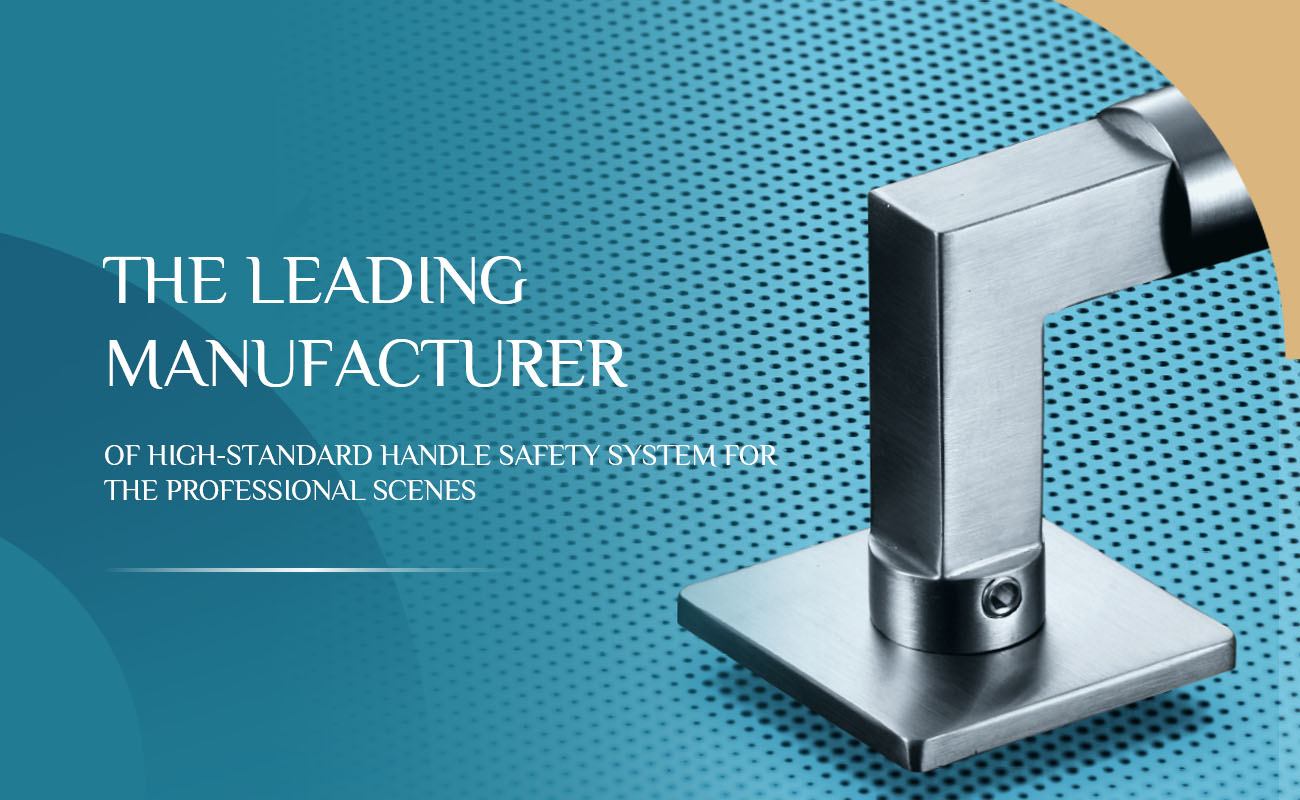
Problem Explanation
Corrosion resistant door hardware is important for buildings exposed to humidity, salt air, cleaning chemicals, and frequent daily use. In coastal hotels, public buildings, hospitals, offices, schools, and commercial washrooms, door handles, Hinges, Locksets, back plates, and accessories may face moisture and surface contamination every day. Once corrosion appears, it can affect appearance, operation, installation stability, and long-term maintenance cost.
Corrosion usually happens when the material grade, surface treatment, or production process does not match the application environment. Chloride ions in coastal air can damage the passive layer of stainless steel and cause pitting corrosion. Material engineering studies show that SUS316 stainless steel provides stronger chloride corrosion resistance than SUS304 because it contains molybdenum, usually around 2 to 3 percent. For general indoor environments, SUS304 can perform well, but for coastal or humid projects, SUS316 is often a safer choice.
Another common issue is inconsistent sourcing. When products are purchased through traders, door hardware may come from different factories, causing variation in material composition, polishing quality, coating thickness, and salt spray performance. This increases risk in bulk door hardware supply.
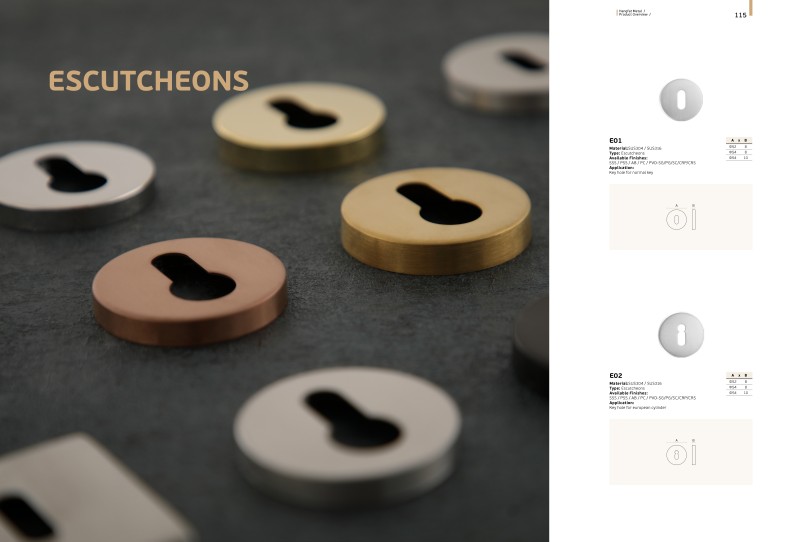
Solutions
The solution starts with choosing a direct door hardware manufacturer that can control material standards, manufacturing process, surface finishing, and inspection. Compared with trader-based sourcing, manufacturer-based production offers stronger consistency for large projects.
A professional manufacturing process should include raw material inspection, cutting, forming, CNC machining, polishing, surface treatment, assembly, and final testing. Each step affects corrosion resistance. Poor polishing can leave rough surfaces that trap moisture and salt. Incomplete surface treatment may weaken protection. Inconsistent packaging can also cause scratches before installation.
Quality control checkpoints should include material composition verification, dimensional inspection, surface roughness checks, coating adhesion tests, salt spray testing, and packaging protection. Salt spray testing is widely used to evaluate corrosion resistance. High-quality stainless steel door hardware can reach more than 240 hours under standard test conditions, helping reduce rust risks in demanding environments.
HANGFAT supports OEM and ODM customization for corrosion resistant door hardware. Material grade, surface finish, product thickness, structure, hole pattern, and packaging can be adjusted according to project needs. This helps match different export market compliance requirements and improves long-term performance.
How To Choose The Right Product
Choosing corrosion resistant door hardware requires a clear project sourcing checklist. Start by confirming the installation environment, humidity level, distance from the coast, cleaning method, door traffic, material requirement, finish preference, and order quantity.
Material Grade | Suitable Environment | Key Advantage
SUS304 stainless steel | Indoor offices, hotels, public buildings | Balanced strength and corrosion resistance
SUS316 stainless steel | Coastal, humid, and chemical-exposed areas | Stronger chloride corrosion resistance
PVD finish stainless steel | Premium commercial interiors | Better color options and surface durability
Low-grade steel | Low-cost short-term use | Higher corrosion risk
For coastal or humid projects, Stainless Steel Door Handles and stainless steel hinges should use suitable material grades and controlled surface finishing. Brushed or satin finishes are practical for commercial spaces because they reduce visible scratches and support a stable appearance. For color-matching projects, PVD finish door hardware can provide better decorative value when coating quality is strictly controlled.
Bulk supply consistency is also important. Large projects require the same material grade, finish, dimensions, and packaging across all units. HANGFAT provides commercial door hardware including Stainless Steel Door Handles, hinges, locksets, back plates, turn knobs, and bathroom accessories. With integrated manufacturing and strict quality control, HANGFAT can support stable bulk door hardware supply for different commercial applications.
Conclusion And Guidance
Choosing corrosion resistant door hardware requires attention to material standards, surface finishing, manufacturing control, and supplier capability. SUS304 is suitable for many indoor commercial environments, while SUS316 is recommended for coastal, humid, or chemically exposed areas.
A direct manufacturer with OEM and ODM capability can provide better consistency than trader-based sourcing, especially for large orders and customized project requirements. HANGFAT combines stainless steel material experience, integrated production, quality control checkpoints, and export market compliance support to deliver reliable corrosion resistant door hardware solutions.
Share your application environment, material grade, finish requirement, order quantity, and compliance needs with HANGFAT to receive a suitable door hardware recommendation.