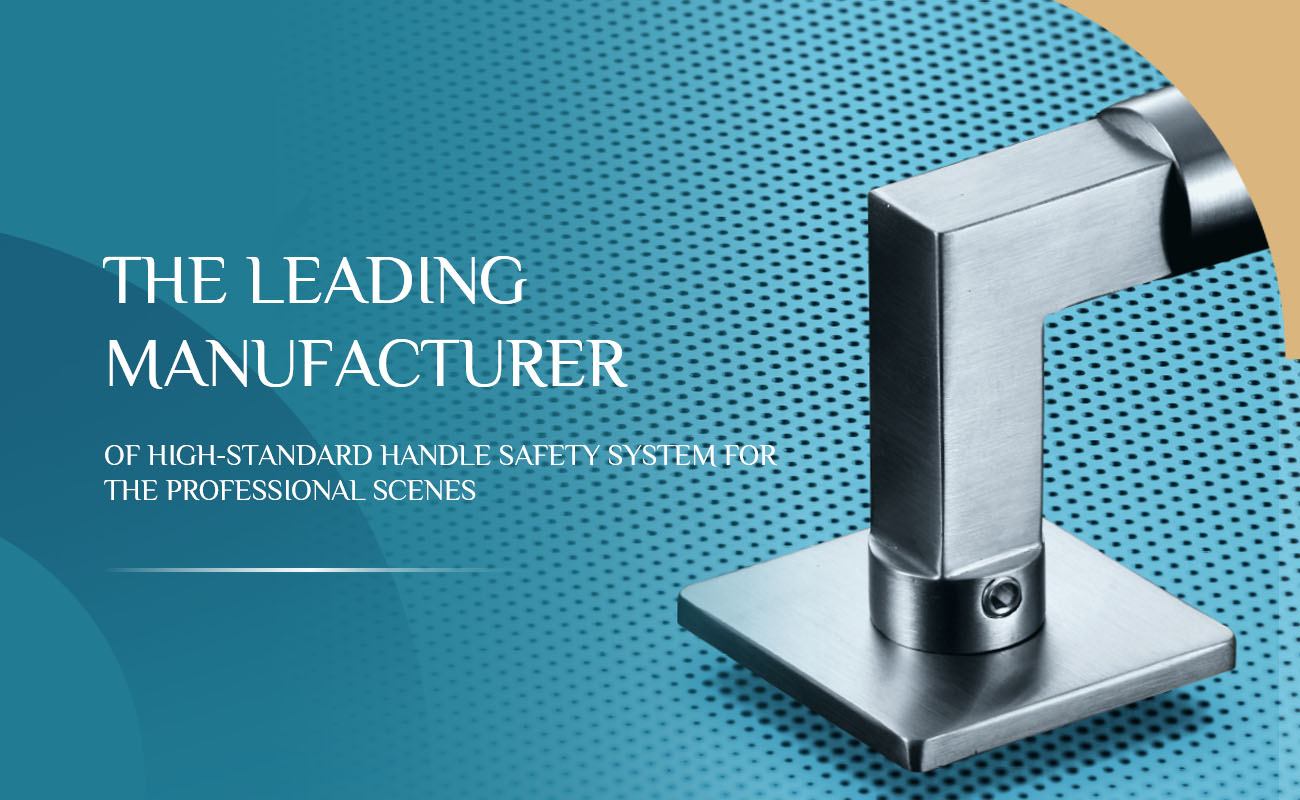
Factories handle quality control for bulk custom hardware orders through material inspection, standardized production processes, in-process monitoring, strict testing, and final shipment verification.
Why Is quality control Critical For Bulk Custom Hardware Orders?
Quality control is essential for bulk custom hardware orders because large quantities require every component to maintain the same specifications, appearance, and performance.
Custom hardware projects often involve thousands of products produced according to specific drawings, materials, and finishing requirements. A small inconsistency in dimensions, surface treatment, or assembly quality can create installation problems and affect the overall project result.
Unlike small production runs, bulk orders require a complete quality management system to control every manufacturing stage.
From practical factory experience, reliable bulk production quality is achieved through continuous monitoring rather than relying only on final inspection.
How Does A Factory Control Raw Material Quality?
Raw material inspection is the first step in quality control for bulk hardware manufacturing.
Factories verify materials before production to ensure they meet required specifications. Common inspection items include:
Common materials used for custom hardware include:
Stainless steel
Brass
Aluminum alloy
Zinc alloy
Carbon steel
Stable raw materials help prevent variations during machining, forming, polishing, and coating processes.
For large custom orders, consistent material quality provides the foundation for maintaining product uniformity throughout production.
How Are Production Processes Standardized For Large Orders?
Standardized manufacturing procedures help factories maintain consistent results across large production quantities.
Before mass production begins, factories establish clear production requirements, including:
Processing methods
Equipment settings
Quality standards
Inspection points
Packaging requirements
Standard operating procedures reduce production differences between workers, machines, and production batches.
A controlled manufacturing process ensures that products made at the beginning and end of a production run maintain the same quality level.
How Does In-Process Inspection Prevent Quality Problems?
In-process inspection allows factories to identify and correct problems before they affect large quantities of products.
Quality checks may be performed during:
Machining
Dimensions, hole positions, and structural details are checked to ensure accuracy.
Forming And Assembly
Product shapes, connections, and assembly performance are verified.
Surface Treatment
Coating thickness, color consistency, and surface appearance are inspected.
Continuous inspection reduces the risk of producing large quantities of defective hardware.
How Does A Factory Maintain Dimensional Accuracy In Bulk Production?
Dimensional consistency is one of the most important quality requirements for custom hardware orders.
Factories use precision measurement tools such as:
Important measurements may include:
Overall dimensions
Component thickness
Mounting positions
Assembly accuracy
Regular measurement during production helps detect process deviations and ensures all hardware components remain within required tolerances.
How Is Surface Finish Quality Controlled For Bulk Hardware?
Surface finish consistency directly affects the appearance and perceived value of custom hardware products.
Factories control finishes through:
Standardized polishing procedures
Controlled coating parameters
Approved color samples
Batch comparison inspections
Common surface treatments include:
| Finish Type | Quality Control Focus |
|---|
| Brushed Finish | Texture direction and surface uniformity |
| Polished Finish | Brightness and smoothness |
| PVD Coating | Color stability and coating adhesion |
| Plating | Surface protection and appearance |
| Powder Coating | Coating coverage and durability |
For large projects, maintaining the same finish across every piece is essential for creating a consistent final installation appearance.
What Testing Is Performed Before Bulk Orders Are Shipped?
Final inspection confirms that completed hardware products meet quality requirements before shipment.
Common final checks include:
Appearance Inspection
Checks for scratches, color differences, surface defects, and finishing issues.
Functional Testing
Confirms that moving parts operate correctly and components fit properly.
Quantity Verification
Ensures the correct number of products and accessories are included.
Packaging Inspection
Verifies that products are properly protected during transportation.
Final inspection provides the last quality checkpoint before products leave the factory.
How Does A Factory Manage Quality Consistency Between Different Batches?
Many bulk hardware projects require multiple production batches delivered over time.
Factories maintain consistency through:
These records allow future batches to follow the same manufacturing standards as previous production runs.
This is especially important for long-term projects where additional orders must match the original hardware installation.
How Does Quality Control Reduce Risks In Bulk Hardware Projects?
Effective quality control helps reduce several common risks, including:
Installation delays caused by incorrect dimensions
Appearance differences between batches
Product failures during use
Additional replacement costs
Project schedule disruptions
A strong quality system improves reliability by identifying potential issues early and maintaining stable production performance.
What Should Buyers Ask About Factory Quality Control?
When evaluating a factory for bulk custom hardware orders, important questions include:
What inspection procedures are used during production?
How are materials tested before manufacturing?
Are production samples approved before mass production?
How is finish consistency maintained?
Can previous production records be reviewed?
Understanding a factory’s quality control system helps determine whether it can support large-scale customized projects.
Final Answer: How Does A Factory Control Quality For Bulk Custom Hardware Orders?
A factory controls quality for bulk custom hardware orders through a complete system covering material inspection, standardized manufacturing, production monitoring, surface finish control, testing, and final shipment inspection.
By managing every production stage with clear standards and inspection procedures, factories can deliver large quantities of custom hardware with consistent quality, reliable performance, and stable appearance.