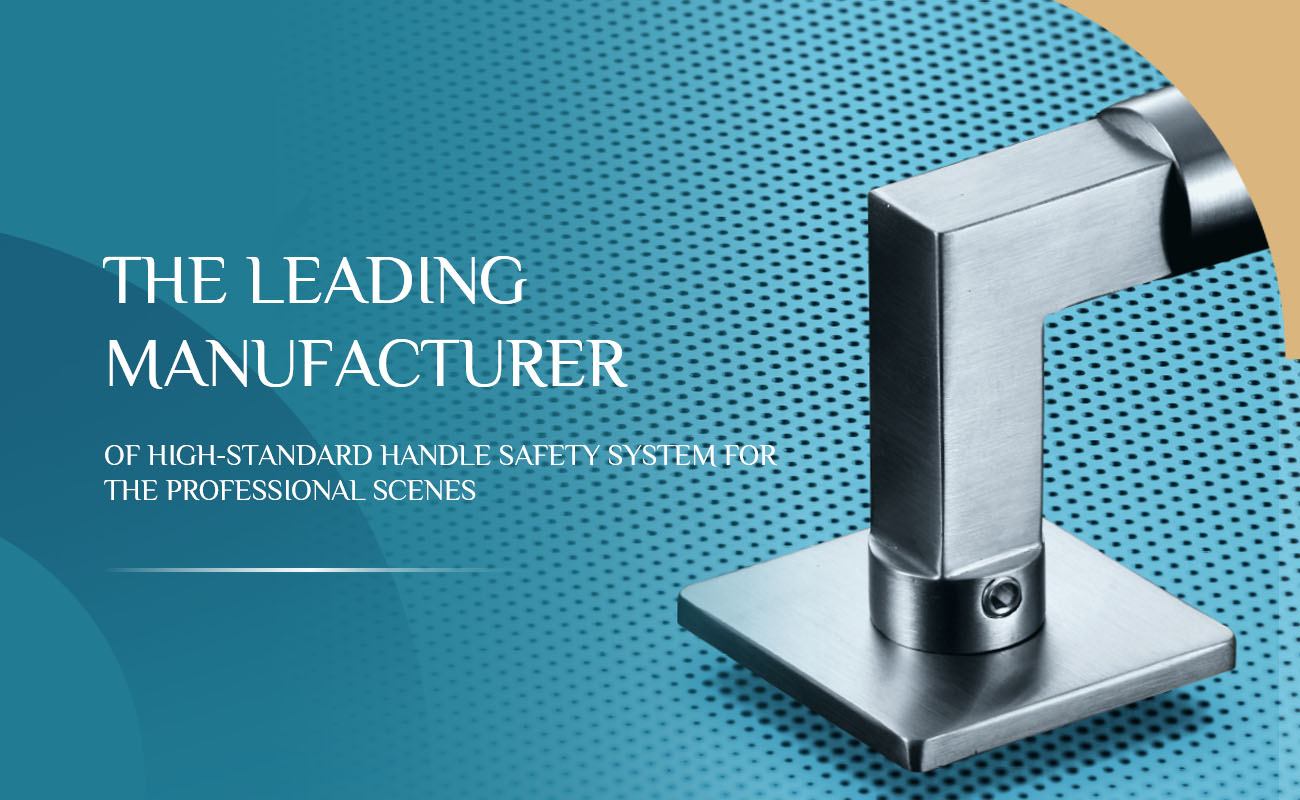
Hotel door hardware can be customized through material selection, design development, surface finishing, functional requirements, and production processes to match project standards.
Why Is Custom Door Hardware Important For Hotel Projects?
Custom door hardware plays an important role in hotel projects because hardware affects both guest experience and overall interior design quality.
Hotels require door hardware that combines visual appeal, durability, security, and long-term reliability. Unlike residential applications, hotel hardware may be used hundreds of times every day, requiring stronger performance and consistent appearance across many rooms and public areas.
Custom solutions allow hotels to match hardware with:
Interior design styles
Brand identity
Door systems
Usage requirements
Project specifications
From practical manufacturing experience, successful hotel hardware customization requires balancing design expectations with production feasibility and long-term performance.
What Door Hardware Products Can Be Customized For Hotels?
Hotel projects often require customization across multiple hardware categories.
Common customized products include:
Each product may require different specifications based on location and usage frequency.
For example, guest room door hardware may prioritize durability and security, while lobby and public area hardware may focus more on appearance and design consistency.
How Should Hotels Choose Materials For Custom Door Hardware?
Material selection directly affects the durability, appearance, and maintenance requirements of hotel hardware.
Common materials include:
| Material | Main Advantages | Typical Applications |
|---|
| Stainless Steel | Corrosion resistance and durability | Guest rooms, public areas |
| Brass | Premium appearance and excellent finishing options | Luxury hotels |
| Zinc Alloy | Flexible shapes and cost efficiency | Decorative hardware |
| Aluminum | Lightweight and modern appearance | Interior fittings |
The right material depends on the hotel environment, design style, expected usage, and maintenance requirements.
For coastal hotels, high-humidity areas, or luxury projects, material performance becomes especially important.
How Can Hotels Customize Hardware Design And Style?
Door hardware design should match the overall architectural and interior concept.
Customization options may include:
Handle shape
Product dimensions
Decorative details
Logo engraving
Special structures
Matching accessories
Modern hotels often use hardware as part of their interior design language. A consistent hardware style across guest rooms, corridors, and public spaces helps create a unified visual experience.
Manufacturers can work with project drawings and design requirements to develop hardware solutions that match the intended style.
Which Surface Finishes Are Suitable For Hotel Door Hardware?
Surface finishing determines both appearance and durability.
Common hotel hardware finishes include:
Brushed stainless steel
Polished chrome
Matte black
Gold finishes
PVD coatings
Antique finishes
Different finishes create different visual effects and maintenance characteristics.
| Finish Type | Appearance | Suitable Applications |
|---|
| Brushed Finish | Modern and low-maintenance | Commercial hotels |
| Polished Finish | Bright and premium | Luxury interiors |
| PVD Finish | Durable decorative colors | High-end projects |
| Matte Finish | Contemporary style | Modern hotel designs |
For large hotel projects, finish consistency is critical because hundreds of hardware pieces must maintain the same appearance after installation.
How Are Functional Requirements Customized For Hotels?
Hotel door hardware must meet practical requirements beyond appearance.
Important functional considerations include:
Frequent daily operation
Smooth movement
Security requirements
Door compatibility
Maintenance convenience
Guest room hardware may require stronger durability due to continuous use, while service areas may require different performance standards.
Professional customization considers the actual application environment before selecting suitable structures and components.
How Does The Customization Process Work?
A typical hotel hardware customization process includes:
1. Requirement Review
Manufacturers analyze project drawings, specifications, quantities, and design requirements.
2. Product Development
Engineering teams evaluate materials, structures, and production methods.
3. Sample Production
Samples are produced for appearance and functional approval.
4. Mass Production
Approved designs enter controlled production with quality monitoring.
5. Final Inspection And Delivery
Finished products are tested, packaged, and prepared for shipment.
This process helps ensure that customized hardware matches project expectations before large-scale installation.
How Is quality controlled For Hotel Hardware Projects?
Quality control is essential because hotel projects usually involve large quantities of identical products.
Manufacturers typically inspect:
Material quality
Product dimensions
Assembly accuracy
Surface finish
Functional performance
Packaging condition
For hotel applications, consistency is especially important because differences between rooms can affect the overall guest experience.
A complete quality management system helps ensure every batch meets approved standards.
What Should Hotels Consider Before Customizing Door Hardware?
Before starting a customization project, hotels should consider:
Design Requirements
Does the hardware match the overall interior concept?
Usage Conditions
Can the hardware withstand frequent daily operation?
Maintenance Needs
Is the finish easy to maintain over time?
Production Capability
Can the manufacturer handle the required quantity and delivery schedule?
Long-Term Consistency
Can future replacement orders maintain the same style and quality?
These factors help create a practical and visually consistent hardware solution.
Why Is Choosing The Right Manufacturer Important?
Hotel hardware customization requires more than product manufacturing. It requires experience in design coordination, production management, and quality control.
A capable manufacturer can support:
The right manufacturing partner helps transform hotel design concepts into reliable hardware solutions.
Final Answer: How Can Door Hardware Be Customized For Hotel Projects?
Door hardware for hotel projects can be customized through material selection, design development, surface finishing, functional optimization, and controlled manufacturing processes.
A successful hotel hardware solution balances aesthetics, durability, security, and production consistency to meet the requirements of modern hospitality projects.