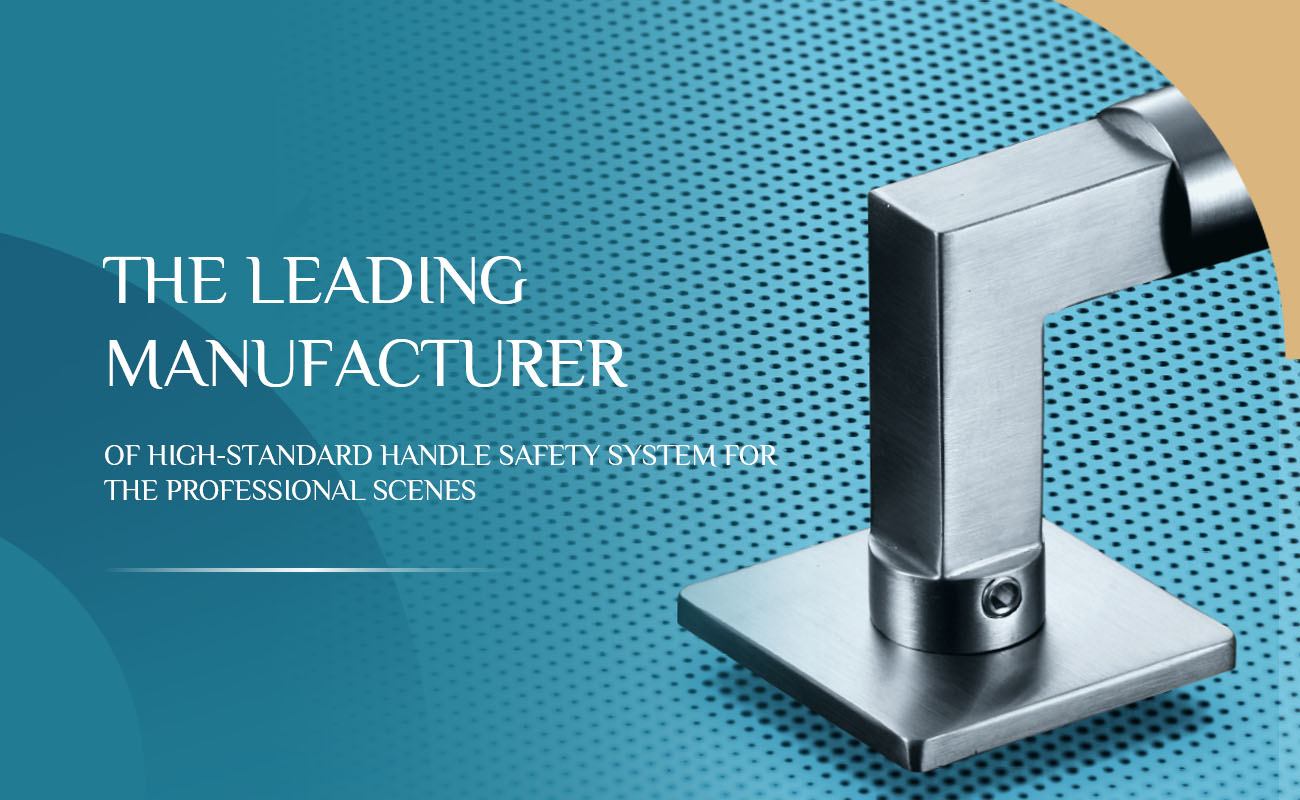
Commercial building projects require hardware solutions including door hardware, architectural fittings, access components, and customized metal products that provide durability, security, and design consistency.
Why Are Hardware Solutions Important For Commercial Buildings?
Hardware solutions are essential in commercial buildings because they directly affect building functionality, safety, user experience, and long-term maintenance costs.
Unlike residential applications, commercial buildings usually experience much higher usage frequency. Office buildings, hotels, shopping centers, hospitals, and public facilities require hardware products that can withstand continuous operation while maintaining reliable performance.
Commercial hardware must balance several requirements:
From practical manufacturing experience, selecting the right hardware solution at the beginning of a project helps reduce replacement costs and improves long-term building performance.
What Types Of Door Hardware Are Used In Commercial Buildings?
Door hardware is one of the most important hardware categories in commercial projects.
Common solutions include:
Different areas of a commercial building may require different hardware performance levels.
For example:
Office entrances require durable and professional-looking hardware
Hotel rooms require reliable operation and aesthetic coordination
Public areas require high-strength components for frequent use
Emergency exits require safety-focused hardware solutions
The right door hardware selection depends on building type, traffic volume, security requirements, and design standards.
How Should Commercial Buildings Choose Hardware Materials?
Material selection affects hardware durability, appearance, and maintenance requirements.
Common materials include:
| Material | Advantages | Applications |
|---|
| Stainless Steel | Corrosion resistance and durability | Commercial doors and public areas |
| Brass | Premium appearance and excellent finishing options | Luxury buildings |
| Aluminum | Lightweight and modern design | Interior fittings |
| Zinc Alloy | Flexible shapes and cost efficiency | Decorative hardware |
For high-traffic commercial environments, materials with strong wear resistance and corrosion protection are often preferred.
The building environment should also be considered. Coastal locations, humid areas, and high-use facilities may require enhanced material performance.
Architectural hardware supports building operation beyond basic door functions.
Common architectural hardware solutions include:
These products contribute to both building functionality and interior appearance.
For commercial projects, architectural hardware must meet installation requirements while maintaining a consistent design style throughout different areas.
How Does Hardware Support Building Security?
Security is a major consideration for commercial buildings.
Hardware solutions can support security through:
Different building areas may require different security levels.
For example, offices may require controlled access systems, while storage areas may need stronger locking performance.
A complete hardware strategy considers both daily convenience and building protection requirements.
What Hardware Solutions Are Required For High-Traffic Areas?
High-traffic areas require hardware designed for frequent operation.
Common locations include:
Building entrances
Corridors
Public facilities
Conference areas
Service spaces
Important performance factors include:
Wear resistance
Smooth operation
Structural strength
Easy maintenance
Commercial-grade hardware helps reduce downtime and replacement frequency in areas with continuous use.
How Can Hardware Be Customized For Commercial Building Projects?
Commercial projects often require customized hardware solutions to match specific designs and functional requirements.
Customization options may include:
Product dimensions
Material selection
Surface finishes
Structural design
Logo or branding details
Manufacturers can develop customized solutions based on:
Customized hardware helps create consistent visual identity while meeting practical building needs.
Which Surface Finishes Are Suitable For Commercial Hardware?
Surface finish affects both appearance and long-term performance.
Common finishes include:
Brushed stainless steel
Polished metal
PVD coating
Matte finishes
Plated surfaces
| Finish | Key Benefit | Suitable Applications |
|---|
| Brushed Finish | Low maintenance and hides minor marks | Offices and public buildings |
| Polished Finish | Premium decorative appearance | Luxury commercial spaces |
| PVD Finish | High durability and color stability | High-end projects |
| Matte Finish | Modern visual style | Contemporary interiors |
For commercial projects, finish consistency is important because many hardware components are installed throughout the same building.
How Do Manufacturers Support Large Commercial Hardware Projects?
Large commercial projects require more than individual products. They require reliable project support.
Professional hardware manufacturers typically provide:
A complete manufacturing system helps ensure that all hardware products meet project requirements from initial development to final installation.
What Quality Checks Are Important For Commercial Hardware?
Commercial hardware must pass strict quality checks before delivery.
Common inspections include:
These checks help ensure that products maintain consistent quality across large commercial orders.
How Should Companies Select Hardware Solutions For Building Projects?
Choosing suitable hardware requires evaluating several factors:
Building Type
Different buildings have different performance requirements.
Usage Frequency
High-traffic areas require stronger and more durable solutions.
Design Requirements
Hardware should match architectural style and interior concepts.
Maintenance Expectations
Products should support efficient long-term maintenance.
Supplier Capability
Manufacturing experience and quality control ability affect project reliability.
A complete evaluation helps create hardware solutions that support both current needs and future building operation.
Final Answer: What Hardware Solutions Are Needed For Commercial Buildings?
Commercial building projects require hardware solutions that combine durability, security, appearance, and functional reliability.
Door hardware, architectural fittings, customized metal components, and surface finishing options all contribute to successful building performance. Selecting suitable hardware solutions helps commercial projects achieve long-term value and consistent quality.