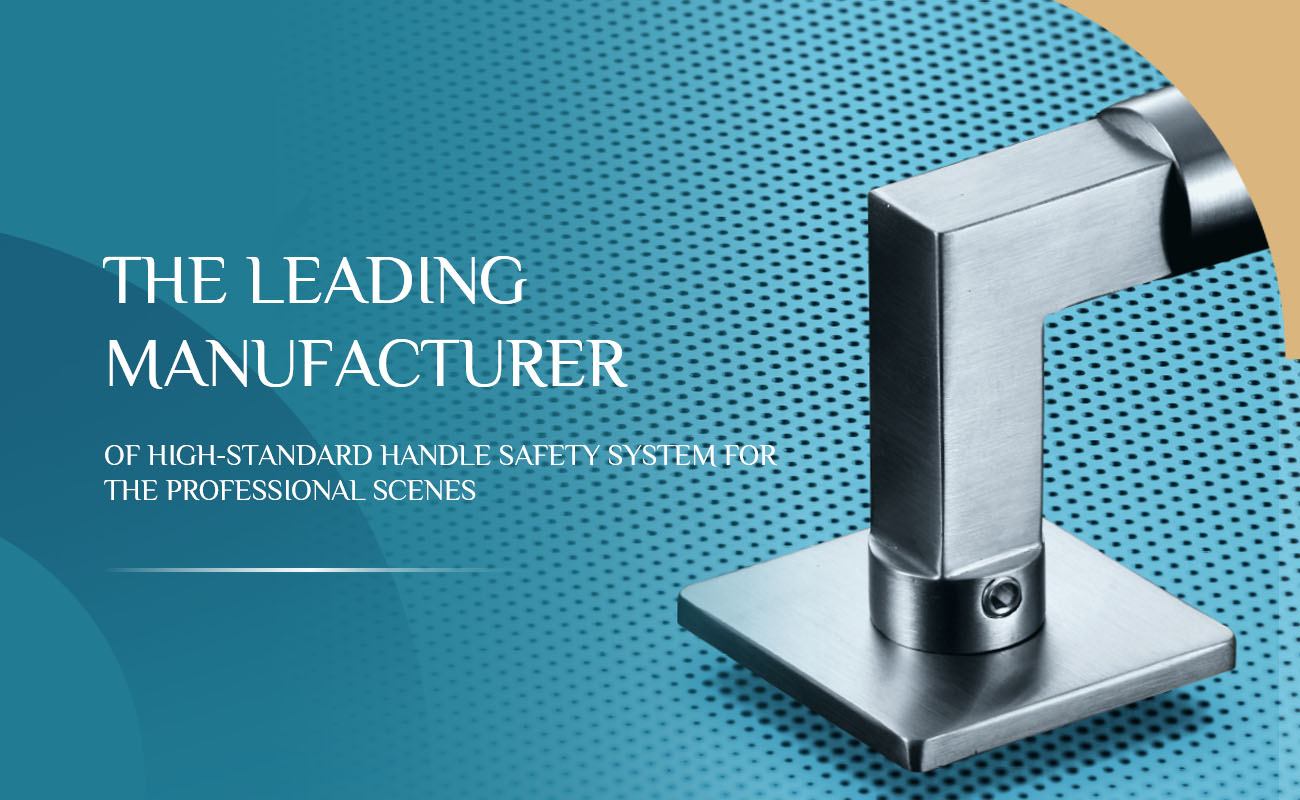
Custom hardware helps brands create unique product lines by providing customized designs, exclusive finishes, flexible structures, and differentiated product features that match specific market positioning.
Why Is Custom Hardware Important For Brand Differentiation?
Custom hardware plays an important role in helping brands create products that stand out in competitive markets.
Standard hardware components often limit design flexibility because many products share similar shapes, materials, and finishes. Custom hardware allows brands to develop unique product identities through specialized designs and manufacturing solutions.
For industries such as furniture, doors, home interiors, architecture, and premium consumer products, hardware details can significantly influence customer perception.
From practical manufacturing experience, successful product differentiation is often created through small but meaningful details, including hardware shape, surface finish, material selection, and functional design.
How Does Custom Hardware Create Unique Product Designs?
Custom hardware allows brands to move beyond standard market designs and develop products with distinctive visual characteristics.
Customization options may include:
Manufacturers can transform design concepts into practical hardware components that support the overall product style.
For example, a furniture brand may use specially designed handles or fittings to create a recognizable appearance across an entire product collection.
How Do Custom Finishes Strengthen Brand Identity?
Surface finishes are one of the most effective ways to create a unique product appearance.
Common custom finishing options include:
Brushed finishes
Polished surfaces
PVD coatings
Matte finishes
Antique effects
Custom colors
Different finishes create different visual impressions.
| Finish Type | Brand Impact |
|---|
| Brushed Finish | Modern and professional appearance |
| Polished Finish | Premium and decorative style |
| PVD Finish | Durable luxury color options |
| Matte Finish | Contemporary and minimalist design |
| Antique Finish | Classic and distinctive character |
Exclusive finishes help brands create products that are easier for customers to recognize and remember.
How Can Custom Hardware Support Premium Product Positioning?
Premium brands often use customized hardware to improve product value and customer experience.
High-quality hardware can enhance:
Visual appeal
Product durability
User interaction
Brand perception
Customers may notice hardware details through daily use, such as the feel of a handle, the smoothness of operation, or the quality of a surface finish.
Well-designed hardware becomes part of the overall product experience rather than only a functional component.
How Does Custom Hardware Help Build Product Series?
Custom hardware enables brands to create consistent design languages across multiple products.
A product series can share common hardware elements such as:
Similar shapes
Matching finishes
Coordinated details
Consistent materials
This creates stronger visual connections between different products and helps customers identify the brand style.
For example, a furniture collection may use matching custom handles, connectors, and decorative fittings across different product categories.
How Does Custom Hardware Improve Product Functionality?
Customization is not limited to appearance. It also allows brands to optimize hardware performance.
Functional customization may include:
By designing hardware around the product application, brands can create solutions that improve both usability and appearance.
Professional manufacturers support brands throughout the product development process.
Typical support includes:
Design Evaluation
Reviewing concepts and assessing manufacturing feasibility.
Engineering Development
Optimizing structures, materials, and production methods.
Prototype Production
Creating samples for testing and approval.
Mass Manufacturing
Producing consistent hardware components at scale.
Ensuring every batch meets approved standards.
This complete process helps brands transform ideas into market-ready products.
Why Is Manufacturing Capability Important For Custom Hardware?
A unique design only creates value when it can be produced consistently.
Strong manufacturing capability allows brands to achieve:
Important manufacturing capabilities include:
Precision machining
Metal forming
Surface treatment
Quality inspection
Production management
Reliable production ensures that customized designs remain consistent as product demand grows.
How Does Custom Hardware Support Brand Expansion?
Custom hardware can help brands expand product lines while maintaining a consistent identity.
When launching new products, brands can develop related hardware solutions that match existing designs.
Benefits include:
Stronger product recognition
Easier collection development
Improved customer loyalty
More distinctive market positioning
A consistent hardware style can become a recognizable feature across multiple product categories.
What Should Brands Consider When Developing Custom Hardware?
Before developing custom hardware, brands should consider:
Product Positioning
Does the hardware match the target market and brand image?
Design Requirements
Does the design provide meaningful differentiation?
Manufacturing Feasibility
Can the concept be produced efficiently?
Quality Expectations
Can the hardware maintain performance over time?
Production Scalability
Can the supplier support future growth?
Careful planning helps ensure custom hardware creates long-term product value.
Why Is The Right Manufacturing Partner Important?
Custom hardware development requires cooperation between design ideas and manufacturing expertise.
The right manufacturing partner can provide:
A capable manufacturer helps brands achieve unique designs while maintaining reliable production standards.
Final Answer: How Does Custom Hardware Help Brands Create Unique Product Lines?
Custom hardware helps brands create unique product lines through exclusive designs, customized finishes, improved functionality, and consistent product identity.
By combining creative design with professional manufacturing capability, custom hardware allows brands to develop differentiated products that stand out in competitive markets.