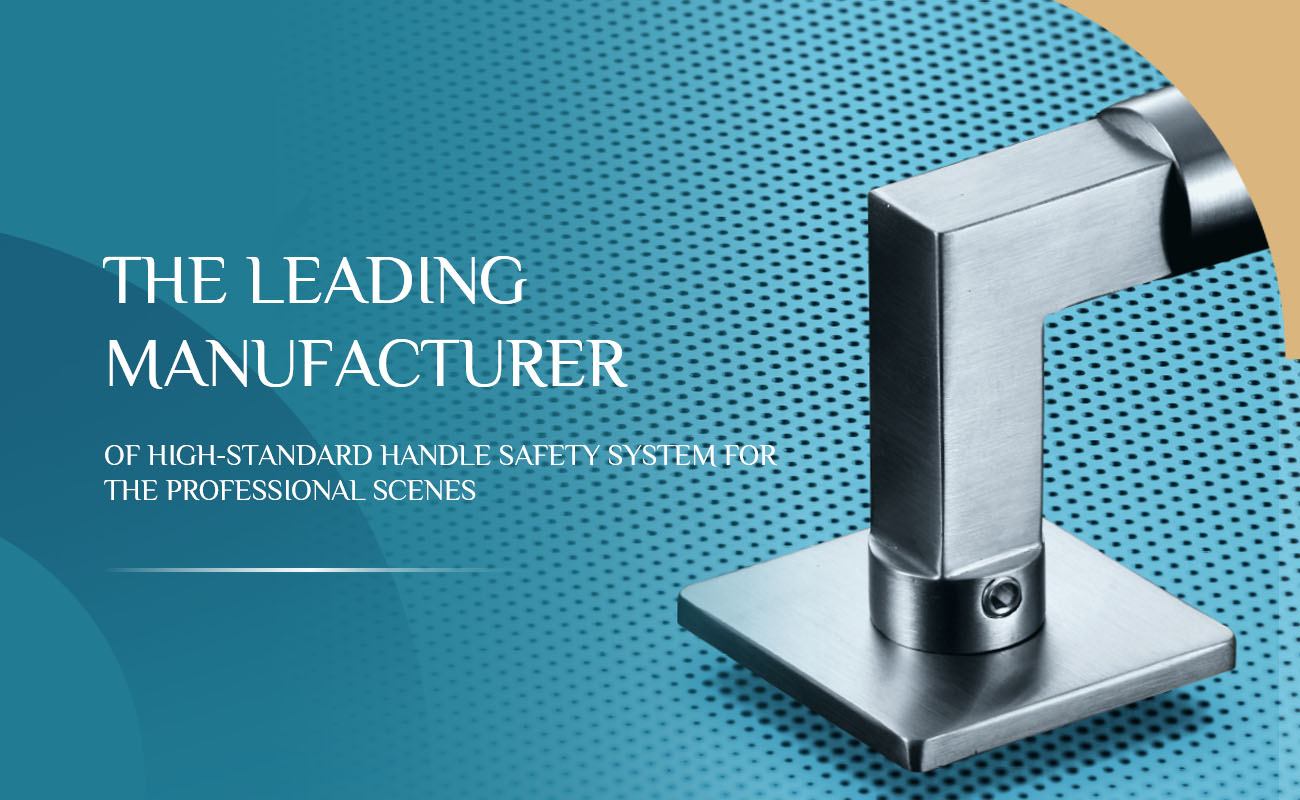
Developers should consider design requirements, material selection, production capability, quality control, customization flexibility, and delivery reliability when ordering custom hardware.
Why Is Custom Hardware Important For Development Projects?
Custom hardware plays an important role in property development projects because it affects building functionality, design consistency, durability, and long-term maintenance.
Developers often work on projects with specific architectural concepts, performance requirements, and installation conditions. Standard hardware products may not always meet the design or functional needs of large-scale developments.
Custom hardware allows developers to achieve:
From practical manufacturing experience, successful custom hardware projects depend on early planning, clear specifications, and selecting a manufacturer with strong production capability.
What Design Requirements Should Developers Confirm Before Ordering?
Clear design requirements are the foundation of successful custom hardware production.
Before placing an order, developers should confirm:
Product dimensions
Hardware styles
Installation methods
Material preferences
Surface finishes
Functional requirements
Detailed project information helps manufacturers evaluate production feasibility and recommend suitable solutions.
For large developments, maintaining consistent hardware appearance across different buildings or areas is especially important.
How Should Developers Choose Hardware Materials?
Material selection directly affects hardware durability, appearance, and maintenance requirements.
Common materials include:
| Material | Advantages | Suitable Applications |
|---|
| Stainless Steel | Durable and corrosion resistant | Commercial buildings and public areas |
| Brass | Premium appearance and excellent finishing options | Luxury developments |
| Aluminum | Lightweight and modern | Interior hardware |
| Zinc Alloy | Flexible shapes and cost efficiency | Decorative components |
Developers should consider:
Building environment
Expected usage frequency
Maintenance requirements
Design expectations
Project lifespan
The right material choice helps ensure hardware performs reliably throughout the building lifecycle.
Why Should Developers Evaluate Manufacturing Capability?
Manufacturing capability determines whether a supplier can successfully complete customized hardware projects.
Important capabilities include:
Engineering support
Production equipment
Custom processing ability
Surface treatment technology
Quality management systems
A manufacturer with strong production capability can better handle:
For development projects, production reliability is often as important as product design.
How Does quality control Affect Custom Hardware Projects?
Quality control ensures that every hardware component meets project expectations.
Developers should consider whether manufacturers have inspection systems covering:
Material Inspection
Verifies raw material quality and consistency.
Dimensional Testing
Confirms products match technical drawings.
Surface Inspection
Checks finish quality, color consistency, and appearance.
Functional Testing
Ensures hardware operates correctly.
Final Inspection
Confirms product quality before delivery.
Strong quality control reduces installation problems and improves project efficiency.
How Important Is Surface Finish Selection?
Surface finish is a key factor because hardware is highly visible after installation.
Common finishing options include:
Brushed finish
Polished finish
PVD coating
Matte finish
Electroplated finish
Developers should consider:
Interior design style
Maintenance requirements
Environmental conditions
Expected durability
For large projects, finish consistency is critical because hundreds or thousands of hardware pieces must maintain the same appearance.
How Can Developers Manage Large Custom Hardware Orders?
Large development projects often require significant quantities of identical hardware products.
Effective order management requires:
Early communication with manufacturers helps avoid problems such as:
Incorrect specifications
Production delays
Installation issues
Inconsistent finishes
Why Is Sample Approval Important Before Mass Production?
Sample approval allows developers to confirm product details before large-scale manufacturing begins.
Approved samples typically verify:
Product appearance
Dimensions
Material selection
Surface finish
Functional performance
Once approved, samples become production references to maintain consistency throughout the project.
How Should Developers Evaluate Hardware Suppliers?
Selecting the right supplier requires evaluating more than product pricing.
Important factors include:
Manufacturing Experience
Does the supplier understand similar project requirements?
Customization Ability
Can the supplier support unique designs and specifications?
Production Capacity
Can the supplier handle required quantities?
Quality Systems
Are inspection procedures established?
Delivery Performance
Can products arrive according to project schedules?
A reliable supplier helps developers reduce project risks and maintain quality standards.
How Does Early Manufacturer Involvement Benefit Development Projects?
Involving manufacturers early in the project can improve production efficiency and reduce unnecessary costs.
Manufacturers can provide support with:
Early cooperation helps ensure that the final hardware solution is both visually suitable and practical to produce.
What Long-Term Factors Should Developers Consider?
Custom hardware should be evaluated beyond the initial installation.
Important long-term considerations include:
Product durability
Maintenance requirements
Replacement availability
Repeat order consistency
Future expansion needs
Reliable hardware solutions help maintain building quality and reduce future operating costs.
Final Answer: What Should Developers Consider When Ordering Custom Hardware?
Developers should consider design requirements, materials, manufacturing capability, quality control, surface finishes, order management, and long-term performance when ordering custom hardware.
A well-planned custom hardware solution helps development projects achieve consistent design, reliable operation, and lasting value.