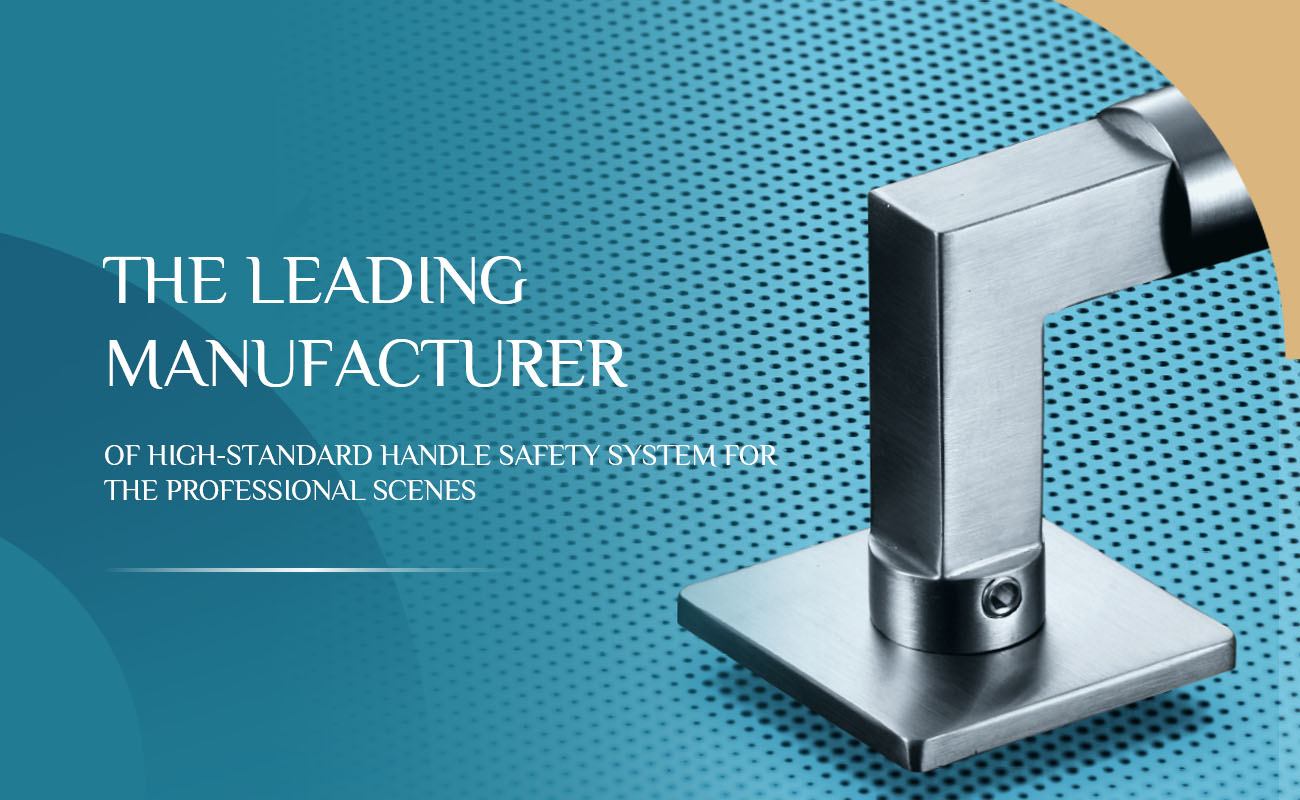
Project-based buyers prefer customized hardware solutions because they provide better design flexibility, application compatibility, quality consistency, and long-term project performance.
Why Are Customized Hardware Solutions Important For Project-Based Buyers?
Project-based buyers often work on developments that have specific design, functional, and installation requirements. Standard hardware products may not always meet the unique conditions of each project.
Customized hardware solutions allow buyers to match products with:
Projects such as hotels, commercial buildings, residential developments, and premium furniture installations often require hardware that is visually consistent and functionally reliable.
From practical manufacturing experience, customized solutions help reduce compromises between design requirements and production limitations.
How Does Custom Hardware Improve Project Design Flexibility?
One major advantage of customized hardware is the ability to develop products according to specific project concepts.
Project-based buyers can customize:
Product dimensions
Shapes and structures
Materials
Surface finishes
Functional features
This flexibility allows designers and developers to achieve a more consistent overall appearance.
For example, architectural projects may require hardware that matches specific interior themes, while furniture brands may need unique fittings that support their product identity.
Why Do Projects Require More Than Standard Hardware Products?
Standard hardware products are designed for general applications, but project environments often have unique requirements.
Customized hardware can address challenges such as:
Special installation conditions
Different usage frequencies
Specific design styles
Unique space limitations
Higher performance expectations
For large projects, using customized solutions helps ensure that all hardware components fit the actual application rather than requiring design compromises.
How Does Customized Hardware Improve Installation Compatibility?
Installation efficiency is an important consideration for project-based buyers.
Customized hardware solutions can be developed according to:
Proper compatibility helps reduce:
Manufacturers can evaluate technical requirements early and recommend suitable production solutions.
How Does Custom Hardware Support Consistent Project Appearance?
Visual consistency is critical for many large-scale projects.
Hotels, office buildings, residential developments, and commercial spaces often require hundreds or thousands of identical hardware components.
Customized production helps maintain consistency in:
Product shapes
Dimensions
Colors
Surface textures
Overall design style
This creates a unified appearance throughout the entire project.
Why Are Surface Finishes Important In Customized Hardware?
Surface finishes influence both appearance and product performance.
Common customized finishes include:
Brushed finishes
Polished surfaces
PVD coatings
Matte finishes
Antique effects
Different finishes create different visual styles while providing different levels of durability.
For project applications, finish consistency is especially important because hardware is often installed in highly visible areas.
How Does Custom Hardware Improve Long-Term Project Value?
Customized hardware can provide value beyond initial installation.
Benefits include:
For long-term developments, reliable hardware performance helps reduce maintenance requirements and supports better building operation.
How Do Manufacturers Support Customized Hardware Projects?
Professional manufacturers support project-based buyers through a complete development and production process.
Typical support includes:
Requirement Analysis
Understanding project specifications, quantities, and application conditions.
Engineering Support
Evaluating designs and improving manufacturing feasibility.
Sample Development
Creating prototypes for approval before mass production.
Production Management
Maintaining stable quality during large-volume manufacturing.
Quality Inspection
Ensuring products meet approved standards before delivery.
This process helps transform project concepts into reliable hardware solutions.
How Does Customization Help With Large Project Orders?
Large projects often require thousands of hardware units with identical specifications.
Customized manufacturing supports large orders through:
These systems help ensure that every batch maintains the same quality level.
What Should Project-Based Buyers Consider When Choosing A Hardware Supplier?
Selecting a suitable supplier requires evaluating several capabilities.
Important factors include:
Manufacturing Experience
Does the supplier understand similar project requirements?
Customization Capability
Can the supplier develop products based on specific needs?
Production Capacity
Can the supplier handle required quantities?
Quality Management
Are inspection systems established?
Delivery Reliability
Can products be delivered according to project schedules?
A capable supplier provides not only products but also manufacturing support throughout the project lifecycle.
Why Is Customized Hardware A Better Choice For Complex Projects?
Complex projects often involve unique requirements that cannot be solved by standard products alone.
Customized hardware provides:
Better design control
Improved functional performance
Greater application compatibility
Consistent project appearance
This makes customized solutions suitable for projects where quality, design, and reliability are equally important.
Final Answer: Why Do Project-Based Buyers Choose Customized Hardware Solutions?
Project-based buyers prefer customized hardware solutions because they provide greater design flexibility, better installation compatibility, consistent quality, and improved long-term performance.
By working with experienced manufacturers, project teams can develop hardware solutions that meet specific requirements while achieving reliable results across different applications.