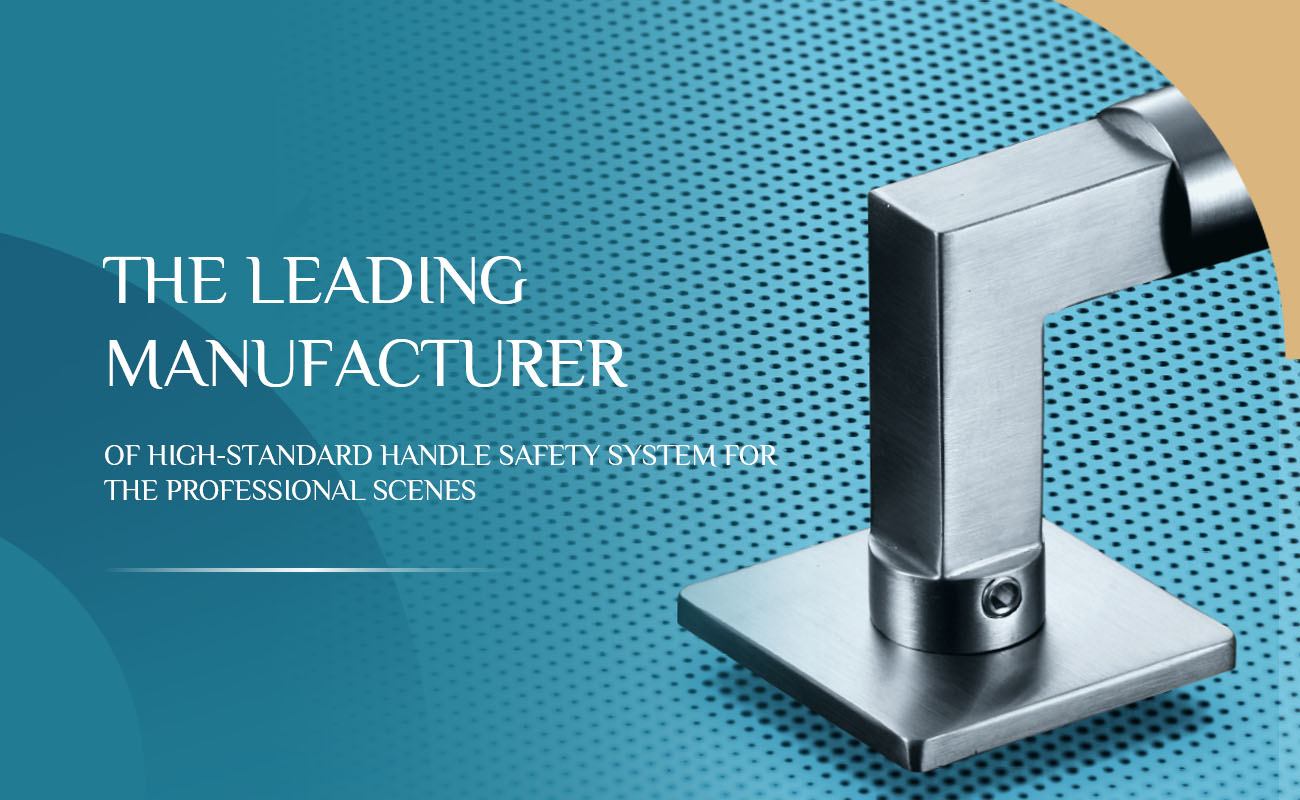
Manufacturers help customers reduce custom product costs through design optimization, efficient production processes, material selection, process improvement, and long-term manufacturing planning.
Cost control is an important consideration when developing customized hardware products because projects often involve complex designs, special materials, and multiple production processes.
Unlike standard products, custom hardware requires additional work in areas such as:
Product development
Engineering evaluation
Prototype production
Tooling preparation
Surface finishing
quality control
A professional manufacturer helps customers control costs without simply reducing product quality.
From practical manufacturing experience, the most effective cost reduction comes from improving the overall manufacturing process rather than choosing the lowest-cost materials or suppliers.
How Does Design Optimization Reduce Custom Product Costs?
Design optimization is one of the earliest opportunities to control manufacturing costs.
Manufacturers can review product designs and provide suggestions related to:
Structure improvement
Material usage
Production feasibility
Assembly efficiency
Manufacturing complexity
Some designs may require unnecessary processing steps or materials that increase production costs.
Experienced engineering teams can identify these issues before production and recommend adjustments that maintain product performance while improving manufacturing efficiency.
How Does Material Selection Affect Custom Hardware Costs?
Material choice directly influences both product cost and manufacturing efficiency.
Common hardware materials include:
Stainless steel
Brass
Aluminum
Zinc alloy
Different materials have different advantages in:
Manufacturers help customers select suitable materials based on:
Product application
Performance expectations
Target market
Production quantity
The right material choice helps avoid unnecessary costs while maintaining required quality standards.
How Can Manufacturers Improve Production Efficiency?
Production efficiency has a direct impact on custom product costs.
Manufacturers reduce costs by improving:
Production methods such as:
CNC machining
Automated welding
Automatic polishing
Standardized assembly
can improve consistency and reduce unnecessary production time.
Efficient manufacturing helps customers achieve better cost control, especially for large-volume orders.
How Does Early Engineering Support Reduce Development Costs?
Engineering support during the early stages helps prevent expensive changes later.
Manufacturers can assist with:
Identifying production challenges before mass manufacturing helps reduce:
Early cooperation between customers and manufacturers creates a more efficient development process.
How Do Prototypes Help Control Custom Product Costs?
Prototype development allows customers to verify product designs before mass production.
Through prototypes, manufacturers and customers can evaluate:
Finding and solving problems during the prototype stage is usually more cost-effective than making changes after large-scale production begins.
How Does Manufacturing Experience Reduce Hidden Costs?
Experienced manufacturers understand common challenges in custom production.
They can help reduce hidden costs caused by:
Manufacturing experience allows suppliers to provide practical solutions based on previous projects and production knowledge.
How Does Quality Control Help Reduce Long-Term Costs?
Quality control is not only about maintaining product standards. It also helps reduce unnecessary expenses.
Effective quality management reduces:
Defective products
Rework requirements
Production waste
Customer complaints
Replacement costs
Professional manufacturers control quality through:
Material inspection
Process monitoring
Surface inspection
Functional testing
Final inspection
Stable quality helps customers avoid additional costs throughout the product lifecycle.
How Can Surface Finishing Processes Affect Costs?
Surface finishing is an important part of custom hardware production.
Common finishes include:
Brushed finish
Polished finish
PVD coating
Electroplating
Powder coating
Different finishing processes have different costs and production requirements.
Manufacturers help customers choose suitable finishes based on:
Appearance requirements
Durability expectations
Application environment
Budget considerations
Selecting the appropriate finish prevents unnecessary processing costs while achieving the desired appearance.
How Does Production Volume Influence Custom Hardware Costs?
Order quantity has a significant impact on unit cost.
Large production volumes usually allow manufacturers to optimize:
Material purchasing
Production scheduling
Equipment usage
Labor efficiency
However, experienced manufacturers can also help customers optimize smaller production runs through:
The right production strategy depends on both quantity and product requirements.
How Does Localized Manufacturing Knowledge Help Reduce Costs?
Manufacturers with strong supply chain experience can help customers manage costs through better resource planning.
Support may include:
Supplier coordination
Material sourcing
Process selection
Production scheduling
A complete manufacturing system reduces unnecessary steps and improves overall efficiency.
How Can Long-Term Cooperation Lower Custom Product Costs?
Long-term partnerships create opportunities for continuous improvement.
With repeated cooperation, manufacturers can optimize:
Production processes
Product specifications
Material planning
Quality standards
Long-term relationships also improve communication efficiency and reduce repeated development costs for future orders.
What Should Customers Consider When Choosing A Cost-Efficient Manufacturer?
The lowest quotation does not always represent the lowest total cost.
Customers should evaluate:
Manufacturing Capability
Can the supplier produce efficiently and consistently?
Engineering Support
Can the supplier improve product designs?
Quality Management
Can the supplier reduce defects and rework?
Production Experience
Does the supplier understand similar projects?
Long-Term Cooperation Ability
Can the supplier support future product development?
A capable manufacturer creates value by improving the entire production process.
Final Answer: How Do Manufacturers Help Customers Reduce Custom Product Costs?
Manufacturers help reduce custom product costs through design optimization, material selection, engineering support, efficient production processes, quality control, and long-term manufacturing cooperation.
A professional custom hardware manufacturer reduces costs by improving production efficiency and preventing unnecessary expenses while maintaining reliable product quality.