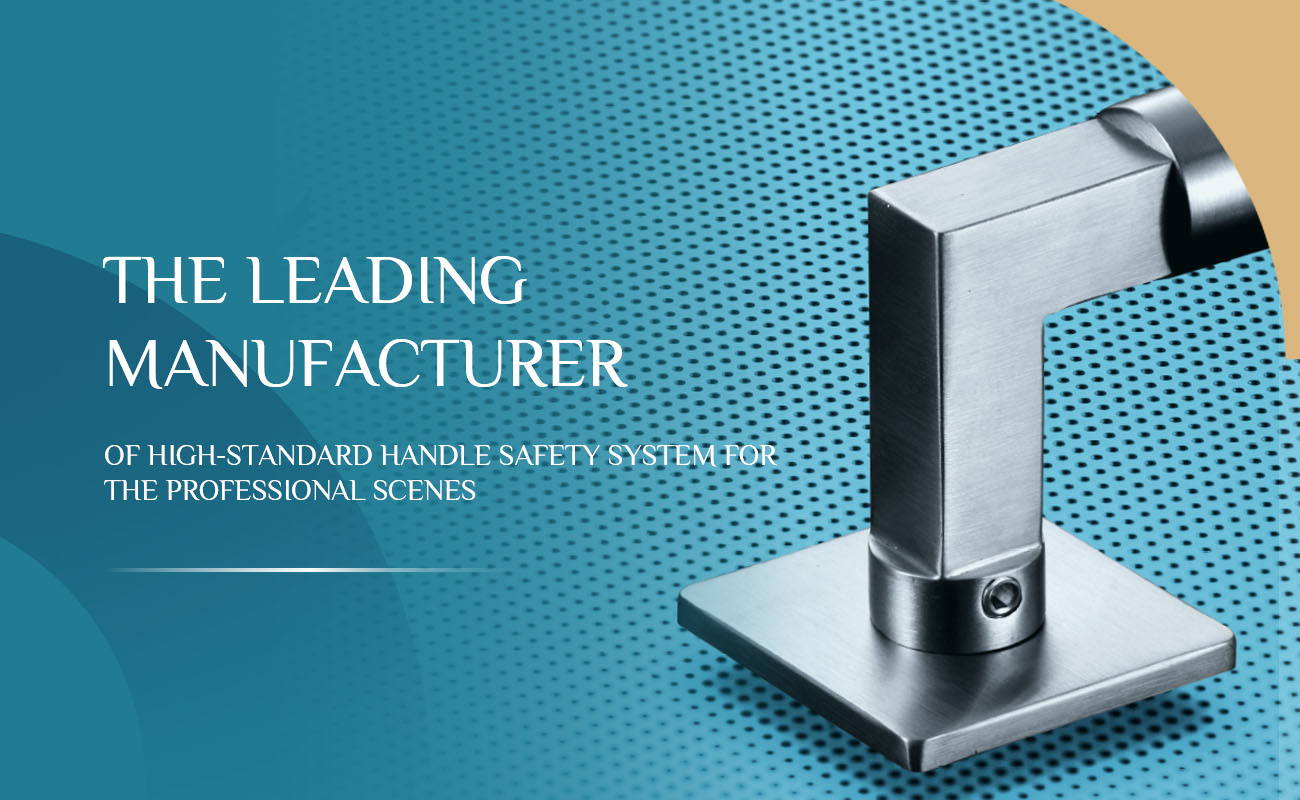
OEM door handles are usually better for brands seeking product differentiation and long-term market development, while stock door handles are suitable for businesses requiring fast availability and standard product solutions.
Why Does Door Handle Selection Matter For Brand Development?
For hardware brands, door handles are not only functional products but also important elements of brand identity.
The right hardware solution can influence:
Brands developing their own product lines often need more than ready-made products. They require solutions that match their:
Design direction
Target market
Quality standards
Customer expectations
OEM and stock door handles represent two different approaches to building a hardware product portfolio.
What Is The Difference Between OEM And Stock Door Handles?
The main difference is whether the product is developed according to brand requirements or purchased from existing product designs.
Stock Door Handle
Stock door handles are existing products already manufactured by suppliers.
Advantages include:
Common applications:
OEM Door Handle
OEM door handles are manufactured according to a brand's requirements.
Customization may include:
Product design
Materials
Dimensions
Surface finishes
Packaging
Brand specifications
Common applications:
Hardware brands
Distributors
Project suppliers
Private-label businesses
Which Solution Provides Better Product Differentiation?
OEM door handles provide stronger differentiation because products can be developed according to specific market needs.
OEM customization allows brands to create:
This helps brands avoid competing only on price.
Stock door handles usually use existing designs, which means multiple suppliers may offer similar products.
For businesses building long-term brand value, product uniqueness becomes increasingly important.
Why Do Brands Prefer OEM Door Handles?
Brands choose OEM solutions because they need more control over their products.
OEM manufacturing allows control over:
Product appearance
Quality standards
Materials
Packaging
Market positioning
This helps brands create products that match their customers' expectations.
For example, a hotel hardware brand may require:
OEM support allows these requirements to be developed into a complete product solution.
Which Option Provides Better Market Flexibility?
OEM door handles provide greater flexibility because products can be adjusted for different markets.
Customization may include:
Regional design preferences
Different building standards
Specific application requirements
Local customer preferences
This is valuable for:
Stock products offer faster purchasing but provide limited flexibility when market requirements change.
Which Solution Is Better For Long-Term Brand Growth?
For long-term brand development, OEM manufacturing provides more opportunities.
Benefits include:
Building exclusive product collections
Improving customer recognition
Creating stronger market positioning
Developing repeat customer relationships
Stock products can support short-term sales but may make it harder for brands to establish unique product identities.
How Does OEM Support Product Development?
Professional OEM manufacturers support brands throughout the development process.
Typical stages include:
Product Concept
Understanding brand requirements and target markets.
Engineering Review
Evaluating product feasibility and manufacturing methods.
Prototype Development
Creating samples for testing and approval.
Production
Manufacturing according to approved specifications.
Ensuring products meet brand standards.
This process helps transform ideas into market-ready products.
Which Solution Provides Better quality control?
OEM manufacturing gives brands greater control over quality requirements.
Brands can define:
Professional manufacturers use quality systems including:
Material inspection
Production monitoring
Surface inspection
Final product testing
Stock products usually follow the supplier's existing standards, which may not always match specific brand requirements.
How Important Are Materials And Finishes For OEM Door Handles?
Materials and finishes strongly influence product positioning.
Common materials include:
| Material | Characteristics |
|---|
| Stainless Steel | Durable, corrosion resistant, suitable for commercial use |
| Brass | Premium appearance and decorative value |
| Aluminum | Lightweight and modern |
| Zinc Alloy | Flexible design options |
OEM projects can customize finishes such as:
Brushed finish
Polished finish
PVD coating
Matte finish
Antique finishes
This allows brands to create products that match their market positioning.
Which Solution Is More Suitable For Hardware Distributors?
The choice depends on business goals.
Stock door handles may be suitable for distributors who need:
OEM door handles are suitable for distributors who want:
Exclusive products
Higher brand value
Market differentiation
Long-term cooperation
Many growing distributors gradually move from stock products toward OEM solutions as their brand develops.
Is OEM Door Handle Production More Expensive?
OEM production may require additional investment during the development stage.
Potential costs include:
Engineering development
Prototype production
Customized tooling
Product testing
However, OEM solutions can provide long-term advantages through:
Higher product value
Better market positioning
Stronger customer loyalty
Reduced direct competition
For large-volume projects, OEM development costs can often be distributed across production quantities.
How Can Manufacturers Support OEM Brand Development?
An experienced OEM hardware manufacturer can support brands through:
This partnership allows brands to focus on:
Market development
Customer relationships
Sales growth
while the manufacturer manages production.
What Should Brands Consider Before Choosing OEM Or Stock Hardware?
Before making a decision, brands should evaluate:
Business Goal
Is the focus short-term sales or long-term brand building?
Product Strategy
Does the market require unique products?
Order Volume
Can production quantities support customization?
Quality Requirements
Are specific standards needed?
Supplier Capability
Can the manufacturer support development and production?
A clear strategy helps businesses select the right hardware solution.
Final Answer: OEM Door Handle vs Stock Door Handle, Which Supports Brand Development Better?
OEM door handles are generally better for brands seeking unique products, stronger market differentiation, and long-term development opportunities.
Stock door handles remain suitable for businesses requiring quick supply and standard solutions.
For companies building a recognizable hardware brand, OEM manufacturing provides greater control over product design, quality, and market positioning.